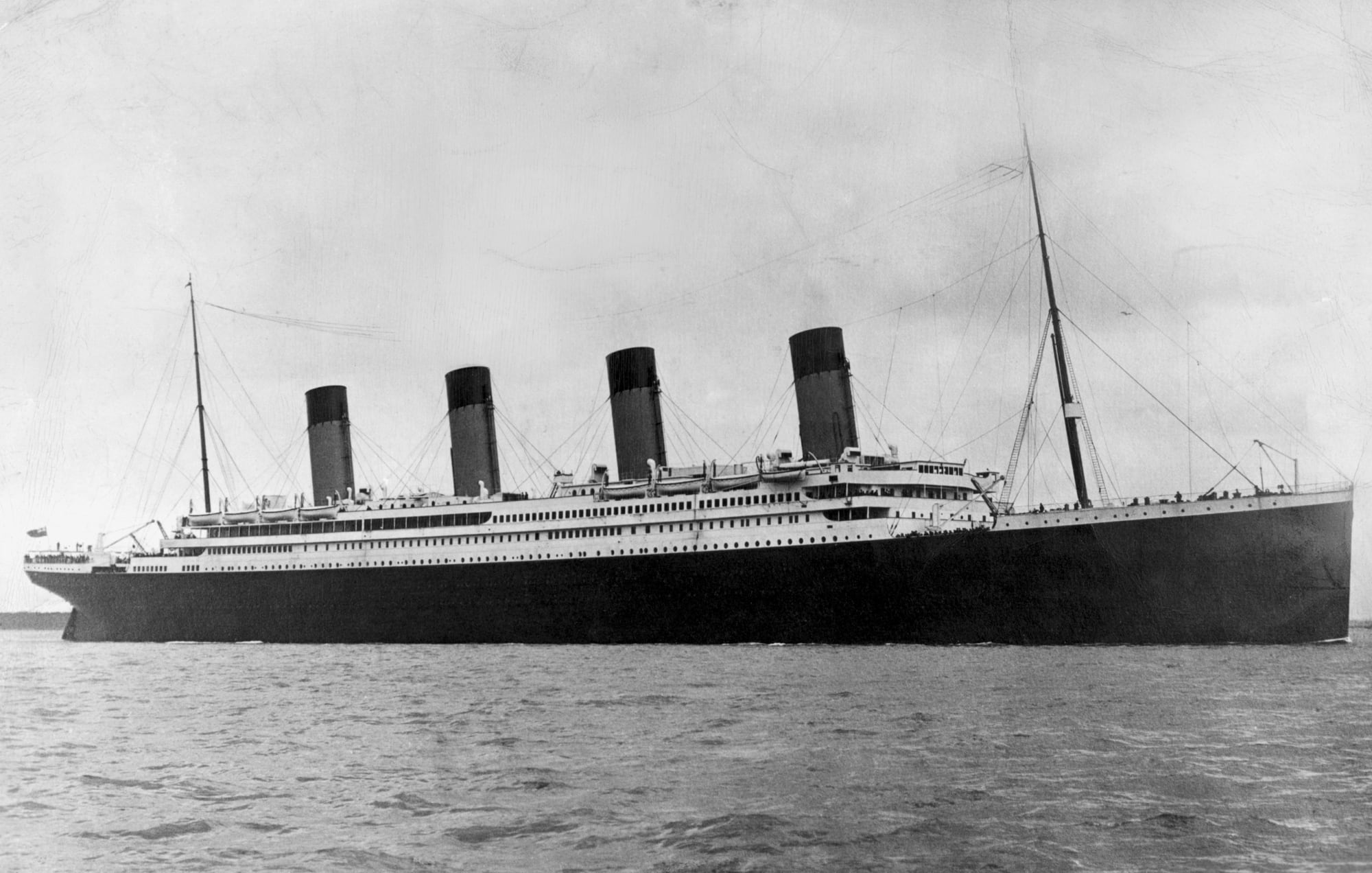
RMS Titanic was the largest ship afloat by the time of her construction in 1912. The second of three in a line of Olympic-class ocean liners, she had passenger accommodation described to be “of unrivalled extent and magnificence,” especially the first-class section, which contained a Grand Staircase, Turkish baths, a pool, and high-end dining, including the luxurious À la Carte Restaurant. Even third-class, despite being less luxurious than second or first-class, was still deemed in higher quality than its contemporary counterparts. White Star Line, the company that created the Olympic-class ships, stated that the class “as far as it is possible to do so, [is] designed to be unsinkable.”
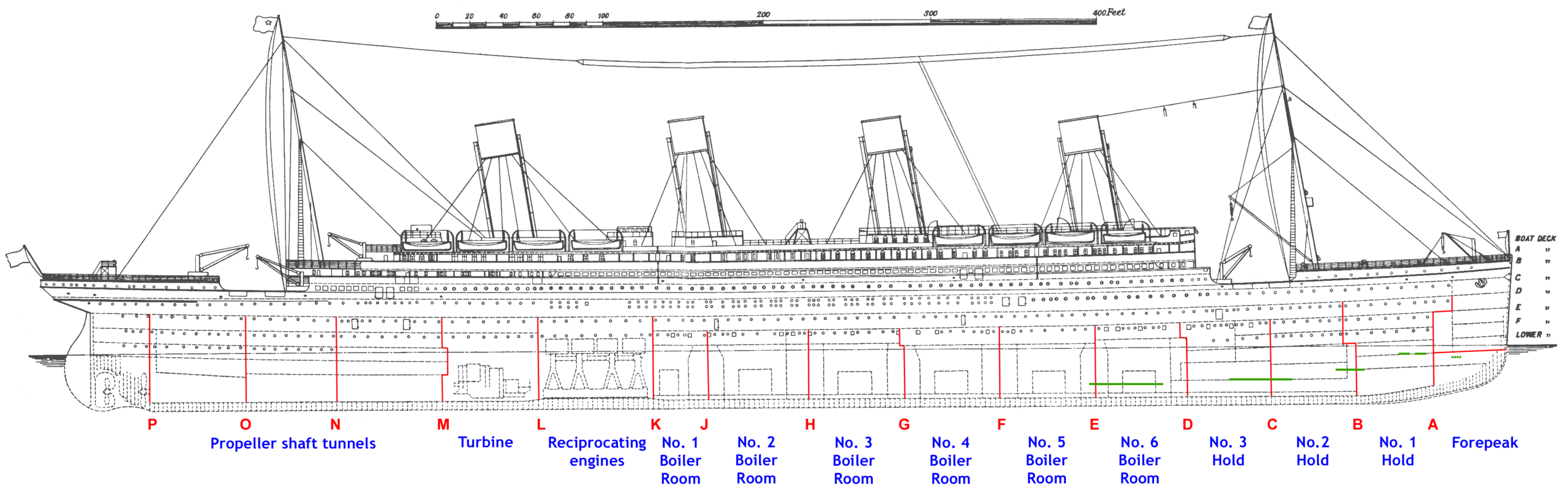
Whilst it was common practice for many companies to claim their ships were unsinkable, White Star Line specifically highlighted the bulkhead system, which was designed in a way that the Titanic could stay afloat with any two adjoining out of its 16 main compartments open to the sea. In addition the height of the bulkhead deck above the water line in flooded condition was well above the requirements, and the vessel would have been able to float with 3 adjoining compartments flooded in 11 of 14 possible combinations. The subdivisions could be sealed from each other with cast iron watertight doors.
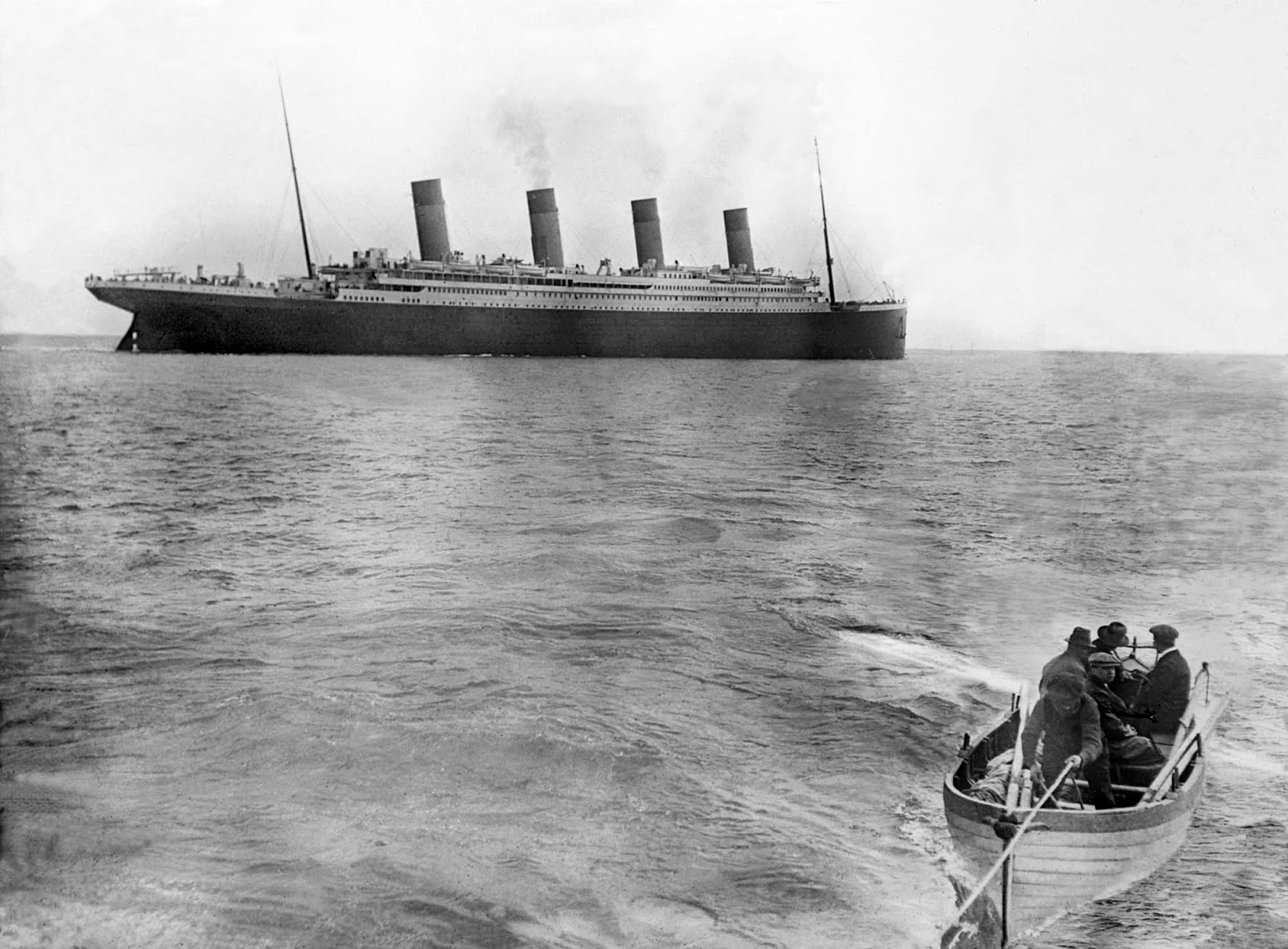
The ship, under the command of Captain Edward John Smith, set off on its maiden voyage from Southampton on April 10th, 1912. Almost immediately, the ships bad luck began, when she nearly collided with the SS City of New York while departing the harbour, leading to her departure being delayed by 45 minutes. Eventually, she arrived in Cherbourg, France, to take on more passengers before once again stopping in Queenstown, Ireland, before departing to her final destination of New York City on April 11th. By the time she left the shores of Ireland, she had 892 crew members on board and 1,320 passengers. Among her passengers was Joseph Bruce Ismay, the chairman and managing director of White Star Line, and Thomas Andrews, the managing director of the company that built the Titanic in Ireland. One crew member of note was Harold Bride, one of the wireless operators. The passengers of first-class consisted of some of the richest people in the world whilst third-class consisted of many immigrants seeking a new life in the land of opportunity. Many of these people would not make it to shore.
Over the next few days, multiple warnings were issued regarding icebergs in the North Atlantic. The last one, on April 14th, was from the German Ship Amerika at around 13:45, and was relayed to Captain Smith by Bride, who claimed that the note was immediately discarded by the bridge without reading. Bride returned to the wireless room and began sending out messages from the passengers once more. At around 18:00, both Ismay and Andrews were in the first-class lounge and smoking rooms, where Ismay had allegedly been showing off the note regarding the iceberg warning. Ismay then retired to his quarters by 21:00 and went to bed. By 23:30, Bride was asleep and the primary operator, Jack Phillips, was operating the Marconi machine, made for radiotelegraphy. In order to receive messages from the distant Cape Race in Newfoundland, Phillips had the machine turned up to maximum volume. However, when the nearby SS Californian notified the Titanic of it stopping due to the ice fields, the high volume meant the message was received incredibly loudly by Phillips. He punched back a rude snarky message, telling the Marconi operator aboard the Californian to keep out of the signal. As most operators were in their mid-twenties, they were used to the friendly abuse they would send each other. The operator aboard the Californian, tired anyway, turned off the machine and went to bed.
Nine minutes later, with the cloudless night and a new moon, vision was limited when lookout Fredrick Fleet spotted an iceberg a mere 500 metres away from the Titanic‘s bow. Fleet cried “Iceberg, right ahead!” This message was quickly relayed to the bridge, who ordered that the Titanic change course towards the starboard side to avoid a head on collision. However, it had just managed to strike the ship below the waterline, breaching the front six compartments of the ship. One passenger is first-class described the noise as sounding “as though someone had drawn a giant finger along the side of the ship.” Around seven minutes after the collision, the crew were ordered to shut down the engines, which was standard procedure after a collision but they also feared that the cold water would combine with the high pressure steam and cause an explosion.
The stopping of the usual hum of the engines stirred many from their sleep, including Bride, Andrews and Ismay. Andrews left his quarters and went to investigate the damage sustained to the ship. He determined that at least five of the compartments had been breached by the iceberg, which was more than the ship could sustain and made him the first person to grasp the true severity of the situation. He directly reported this information to Captain Smith, who relayed this information to Bride and Phillips, telling them to send out calls for assistance upon his command. Ismay, who spoke to officers on deck, was informed that the ship had been struck but was not aware of the extent of the damage.
Meanwhile, the nearby Californian, that was closest ship to the Titanic, had its Marconi machine investigated by an officer. Whilst he knew some of morse code, he did not realise the machine was turned off so, when he didn’t hear anything from the other end, concluded that it was not worth checking again for the rest of the night. The Californian‘s Marconi machine was never checked again. When he joined the captain on deck, they observed the Titanic slow and eventually stop before the lights dimmed. When the captain raised concern, the officer explained that the lights were often dimmed on ocean liners in order to get the passengers to sleep and allow the service crew to get an early night in.
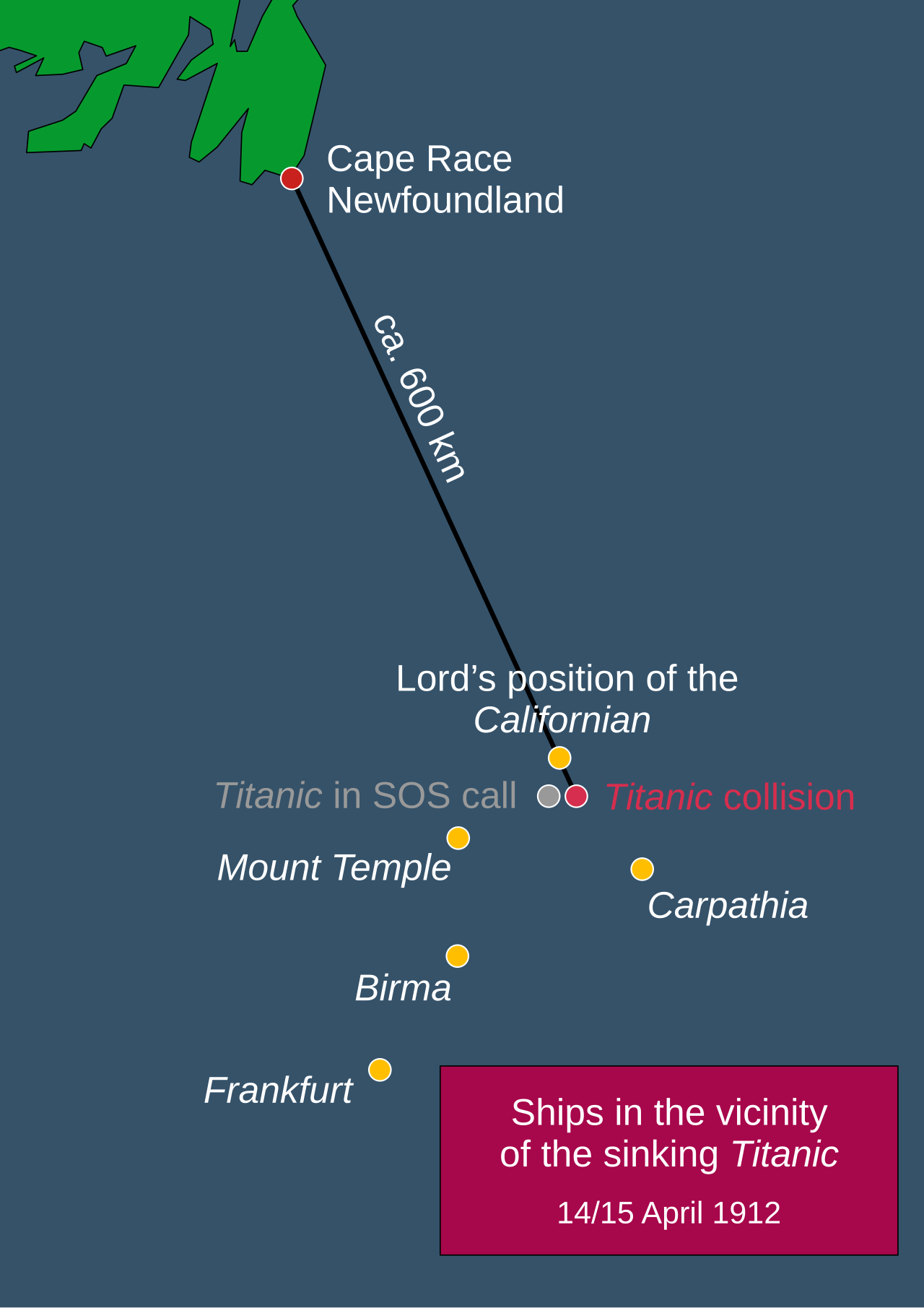
Meanwhile, Andrews informs Smith that the ship may sink within the next hour and a half. Smith then orders Bride and Phillips to begin sending out the distress signal, CQD. Shortly after this, Ismay spoke to Smith, who also warned him of the severity of the situation, whilst officers began to uncover the lifeboats and abandon ship. The crew began waking up passengers and ordering them to put on life jackets and come up to the deck. Many passengers, however, saw this as somewhat silly and took it as a joke to just get in the lifeboats for half an hour or so. The band came on board deck and began playing tunes to keep up spirits. Despite this, both Andrews and Ismay assisted with the evacuation process, prioritising women and children first as a part of official policy. Whilst many other ships were too far away or on the other side of the dangerous ice wall, the RMS Carpathia was 58 nautical miles south of the Titanic‘s position and received a message from Cape Race regarding the ship. The captain, Arthur Rostron, ordered the Carpathia go full steam ahead towards the Titanic‘s position. It would take them three hours to reach the Titanic
Back on board, Bride and Phillips, having switched to the newly introduced SOS signal, were informed by Smith of the true severity of the situation. Meanwhile, distress signals went up in the form of fireworks and lights flashed in morse code. However, the Californian‘s crew determined that they must have been having som kind of party and that the light was just the bobbing of the ships masthead. On deck, the situation escalated. The crew, most of them unfamiliar with emergency lifeboat procedure, did not know how much weight the boats could withstand, as they were designed to immediately ferry passengers to another nearby ship. As a result, many boats were lowered only half full. This was also partially due to some officers that interpreted “women and children first” as women and children only, and would rather launch a half full lifeboat with only women and children aboard than let any men get on. As chaos erupted on the deck, Andrews realised that, due to the company’s decision to reduce the number of lifeboats from 48 to only 16, was nowhere near enough to accommodate even a fraction of the people on board the ship.
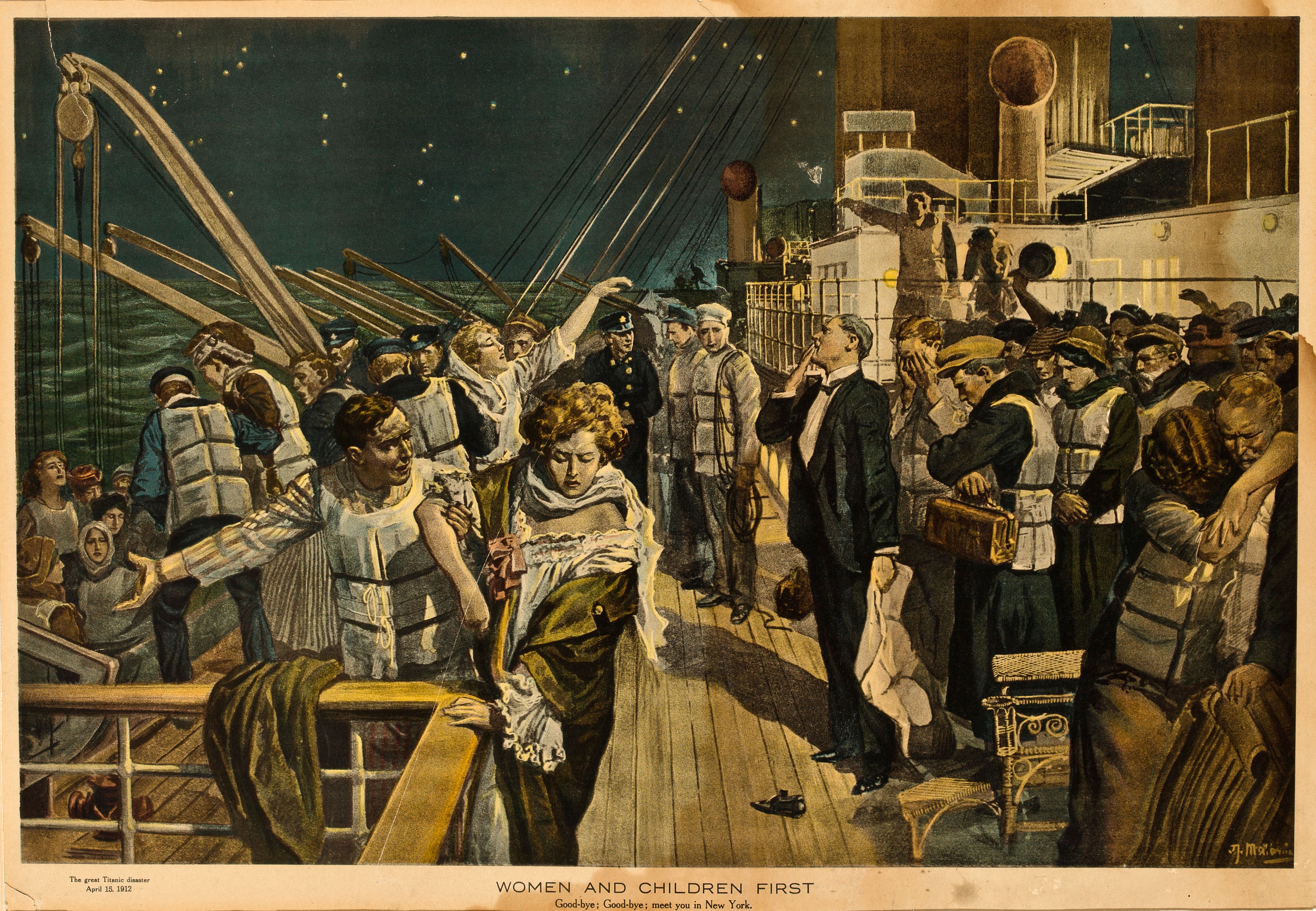
Down below in the ship’s lower quarters, third-class passengers were promised by officers that they would be allowed onto the deck in groups of 50. However, after only three groups went up, the officers allegedly became distracted and left much of the rest of third-class down in the hold. As the radiotelegraphy system was overwhelmed with messages, the signals jammed for several minutes before Bride and Phillips returned to punching SOS messages. However, as water reached the generators, the power on the ship began cutting out and the range of the Marconi machine decreased. Eventually, their transmitter on Cape Race went out of range, meaning that they could no longer send messages on behalf of the Titanic. Whilst trying to communicate with the Carpathia, Phillips received the overpowering message from the German ship Frankfurt, which had a very powerful transmitter. The Frankfurt had been consistently asking the Titanic what was wrong. Whilst Bride and Phillips had initially joked about the stupidity of the operator, it is suggested that this was moment when Phillips lost his rag with the Frankfurt.
You are a fool, [shut up] – [shut up] – [shut up] and keep out
Phillips’ message to the Frankfurt
Phillips left the office and stood on the deck. Whilst he had only felt the ship before, he now saw it. Part of the bow was becoming submerged in the icy waters of the Atlantic. He saw Smith atop the bridge yelling out to the officers to bring the lifeboats back and take on more passengers. Near one of these boats that was about to disembark, Ismay, along side another first-class passenger, allegedly asked if there were any women and children nearby. When they got no response, the pair hopped into the lifeboat and set out to safety. Whilst the passenger who got on with Ismay, William Carter, stated that they had both checked around for any women and children, Carter’s wife described his behaviour aboard the ship as “cruel and barbarous treatment and indignities to the person,” apparently leaving her and their children to fend for themselves aboard the ship. Carter and his wife divorced only two year later.

This action from Ismay was perceived as a widely controversial one. He was ostracised from London high society life and eventually resigned his position at White Star Line. In a 1943 Nazi propaganda film about the Titanic, he was portrayed as a corrupt British business man, who ordered the Titanic to try and set a transatlantic speed record that led to the collision with the iceberg, a myth that still persists to this day. In actuality, he had briefly consulted the idea of breaking a speed record with Smith but it didn’t go much further. Lord Mersey, who led the 1912 British inquiry on the Titanic, concluded that Ismay had helped many other passengers before finding a place for himself on the last lifeboat to leave the starboard side.
At around 01:50, Smith gave up trying to call back the lifeboats and proceeded to relieve Bride and Phillips of their posts. Whilst Bride got ready, Phillips continued to punch out messages. Noticing him struggling to adjust the machine and send out messages, Bride joined his side again and the pair continued to send out messages. It was also around this time that Andrews was spotted last. The most often cited place for this sighting was in the first-class smoking lounge, with water lapping at his feet whilst in deep thought. He was never seen again.

After sending one last message to the Carpathia regarding its power capabilities, the ship’s lights turned a sickly red and the Marconi machine died. The ship was now alone, slowly sinking into the icy waters of the Atlantic, with the nearest help two hours away. She would sink under the waves in the next 20 minutes. The Californian had noticed that the Titanic was disappearing below the horizon and an officer attempted to notify the sleeping captain, who merely grunted and rolled over. By the time the officer returned to deck, the Titanic was gone.
Meanwhile, Phillips ordered Bride to retrieve the back-up transmitter before a crew member from the boiler room began throttling Phillips in an attempt to take his life jacket. The pair then proceeded to fight the man, before knocking him to the ground. According to Bride’s account, Phillips then grabbed the wireless key and beat the stoker over the head until the shin deep water inked with blood and the man went limp. Not knowing whether the man was dead or merely unconscious, the pair rushed out to deck. The ship, now with its stern elevated out of the water, had mere minutes left. Bride attempted to assist crewmen in lowering Lifeboat Collapsible B, and spotted Phillips running to the back of the deck. Suddenly, the oars holding the boat slipped, trapping Bride underneath it. Eventually the water lapped up, taking Bride and the boat off the deck and into the icy waters. Meanwhile, port holes created suction that pulled desperate swimmers back into the ship. The collapsing funnel caused a splash that toppled most people from the boat before they scrambled back on.
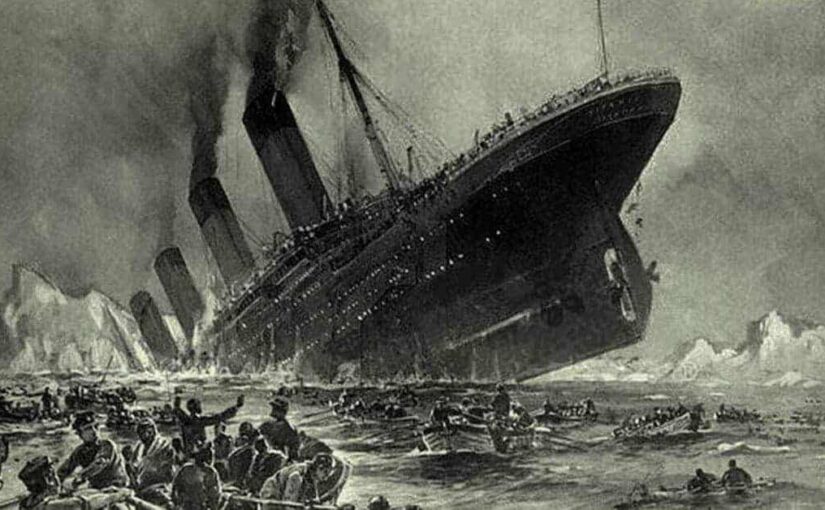
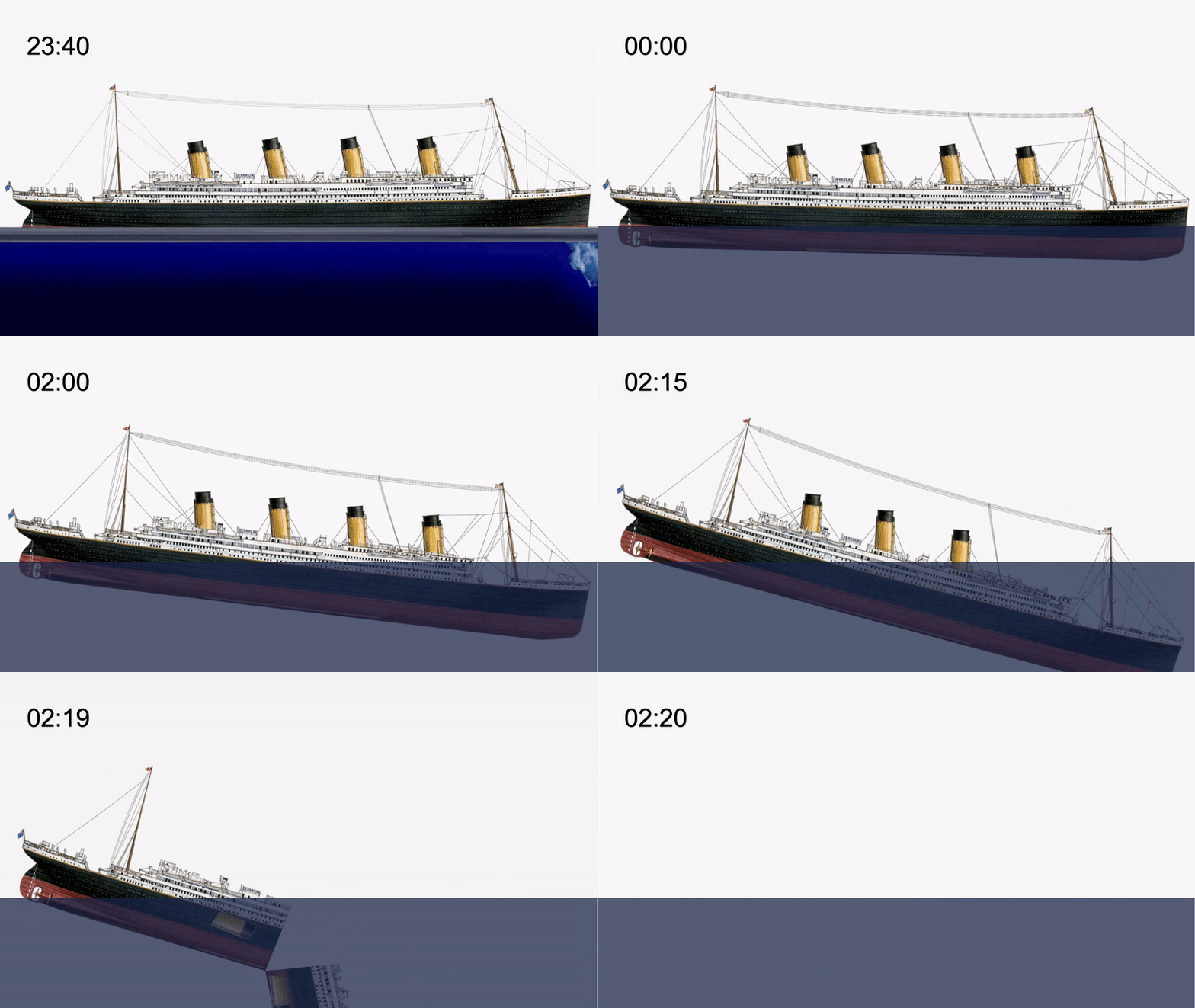
Two minutes before total submersion, the power went out. The area was plunged into total darkness, with what remained of the ship blotting out the stars in the sky. Eventually, the ship split in half, before the rest of the ship was eventually dragged down into the icy depths. In all, it took 2 hours and 40 minutes for the Titanic to sink. Reportedly, Ismay could not watch as she sank beneath the waves.
I had never seen so many shooting stars. I recalled a legend that every time there’s a shooting star, somebody dies
Jean Hippach, 1st Class Survivor
Screams of passengers attempting to get onto lifeboats slowly went quiet as they eventually succumbed to hypothermia. On the still upside down Collapsible B, Bride clung to the side, one foot still submerged in water. He informed Charles Lightoller, a second officer, of the incoming Carpathia, who then ordered that the men attempt to balance the boat. However, as the night progressed, the boat continued to sink and the survivors were up to their knees in water. Some, not being able to handle the pain, collapsed and drifted away. Aboard the boat, Lightoller led a speaking of the Lord’s Prayer, before, eventually, the Carpathia arrived at 04:00. Some set off fireworks to signal the ship, some lit pieces of paper whilst one woman reportedly set her hat on fire. Collapsible B merely screamed for help, with Lightoller using his whistle to attract the rescue boats.
Upon being brought aboard, Bride collapsed. Ismay was in deep shock and was uncharacteristically withdrawn. He apparently ate very little and was allegedly sedated by a doctor at one point. Whilst some saw it as avoidance, others saw it as trauma. However, he assisted in compiling lists of survivors. When Bride awoke, he was given one of these lists in order to assist sending out the lists for newspapers. He was distraught to find that Phillips’ name was not on it. Eventually, public inquiries in both the US and Britain were held regarding the disaster. The Senate Inquiry, led by Senator William Alden Smith, determined that the disaster was not unavoidable and that the speed that the Titanic was going at the time should have been slowed due to the warnings that the bridge had received, implicitly blaming Ismay for this decision. It also concluded that the lifeboat provisions were beyond inadequate and that the crew were unskilled to deal with such an evacuation. It also put partial blame on the Californian, for not taking any action even when the Titanic disappeared. Meanwhile, the British Inquiry determined that the speed was standard practice at the time and assigned little personal blame. However, it still determined that evacuation procedure was not up to standards and that the lifeboats were inadequate to save even half of the passengers on board. As a result, maritime regulations were enforced, requiring lifeboats for all individuals on board, 24-hour messenger operation and an Internal Ice Patrol. Both Bride and Ismay testified at the inquiries. In all, over 1,500 died in the sinking of the Titanic. It is, by far, the most well known commercial nautical disaster of all time.