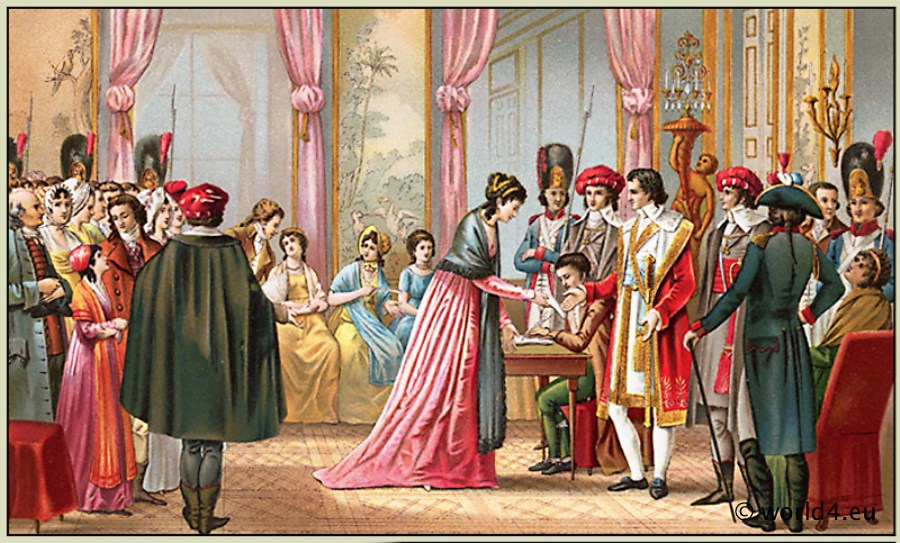
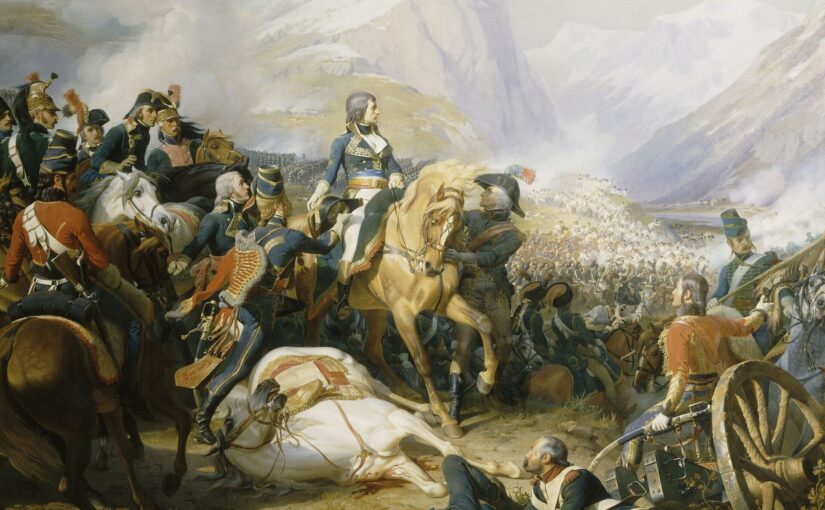
By 1800, Napoleon Bonaparte had established himself as First Consul of the French Republic, making himself functionally the autocratic head of state of a centralised republican government. Wielding his newfound and profound executive power, he pacified royalist rebels, established a new national bank to stabilise the economy, cracked down on banditry in the French countryside, reforms that were only exemplified by state owned newspapers. In what many describe as a benevolent dictatorship, Napoleon transformed France from the chaos of the early Republic into the stability of the Consulate. However, France’s foreign affairs position was nowhere near as good as its domestic one.

After Napoleon’s initial triumph in Northern Italy, the Second Coalition declared war on France. The powers of the Second Coalition sought to reverse French expansion across Europe, dismantle the satellite republics established during the Revolutionary Wars, and weaken France’s new republican regime. Specifically, Russian Field Marshal Alexander Suvorov had recaptured the Northern Italian territories that Napoleon had conquered in 1797, leaving French forces under the command of General André Masséna starving and in desperate need of supplies on the Mediterranean coast. When Tsar Paul I withdrew Russia from the coalition, it still left almost 100,000 Austrians in Northern Italy, under the Command of Field Marshal Michael von Melas.
Napoleon eventually rallied 60,000 reserve troops in order to liberate the French Forces at Genoa, reclaim Northern Italy and defeat the Austrians. A much more cautious man than Napoleon might have reinforced Masséna from the west, taking advantage of pre-existing friendly supply roots and would avoid a treacherous trek over the Alps. However, he believed that driving back enemy forces on his own supply depots could leave to a stalemate. So he took an incredibly bold plan. Though armies had crossed the Alps many times since antiquity, few had attempted to move a large force with artillery through such difficult terrain at speed and in secrecy. What it did require, however, was Masséna holding the line. By April, this was a very real fear that eventually materialised.
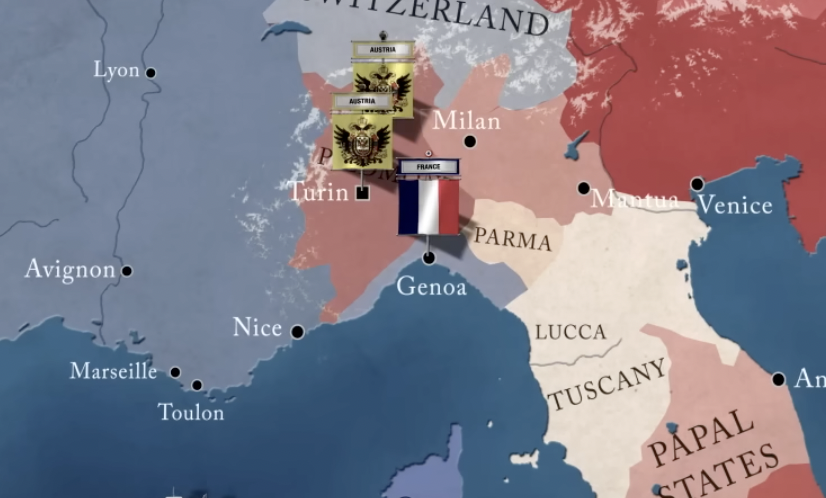
On April 6th, Melas launched a massive offensive against Masséna’s forces, which split his army in two and forced him to retreat into the city of Genoa, beginning a siege from both the land and sea. Fearing that the fall of Genoa would force him to be trapped between the mountains and the Austrian forces, Napoleon rallies his forces on May 6th to advance from Geneva across the Alps.
An army can pass always, and at any season, wherever two men can set their feet.
Napoleon, May 1800
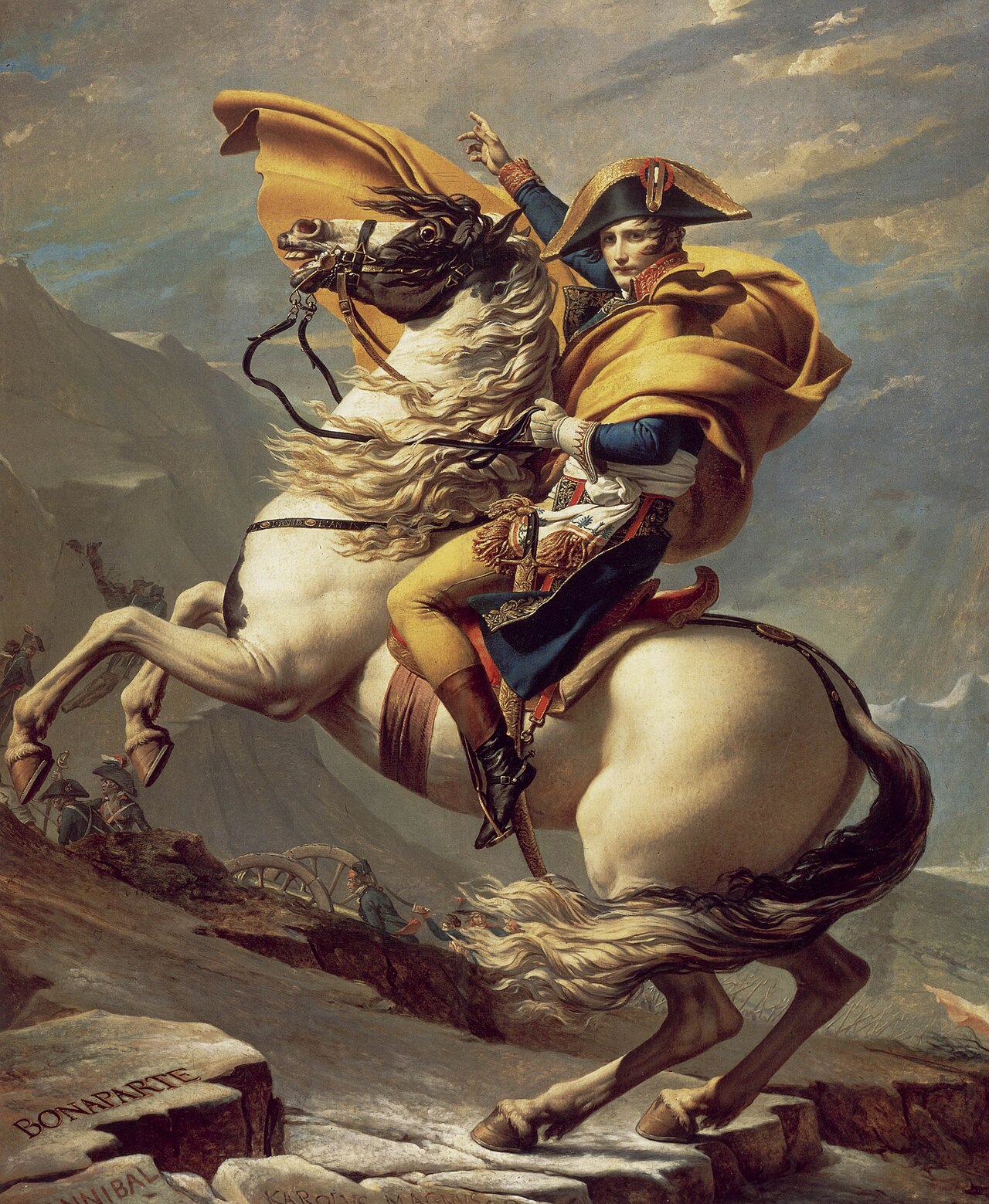
The Alps are a great land to cross. At around 100 miles in width and peaks reaching over 14,000 feet, the Army of the Reserve, numbering roughly 40,000 men, crossed through several Alpine passes, with the main body using the Great St Bernard Pass, which has a peak of around 8,600 feet, a march that was led by General Jean Lannes on May 8th. Despite the spring season, the mountains were blanketed in thick snow and. To reduce the likelihood of an avalanche decimating the troops, they travelled at night and early morning. Despite the men considering mutiny due to the rough conditions, they eventually reached St Bernard Hospice, where food and rest was prepared.
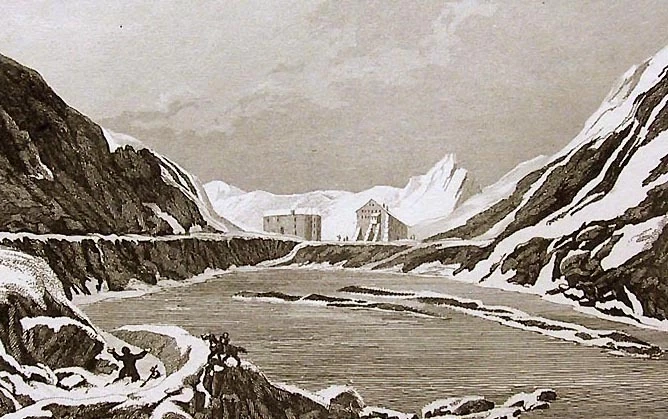
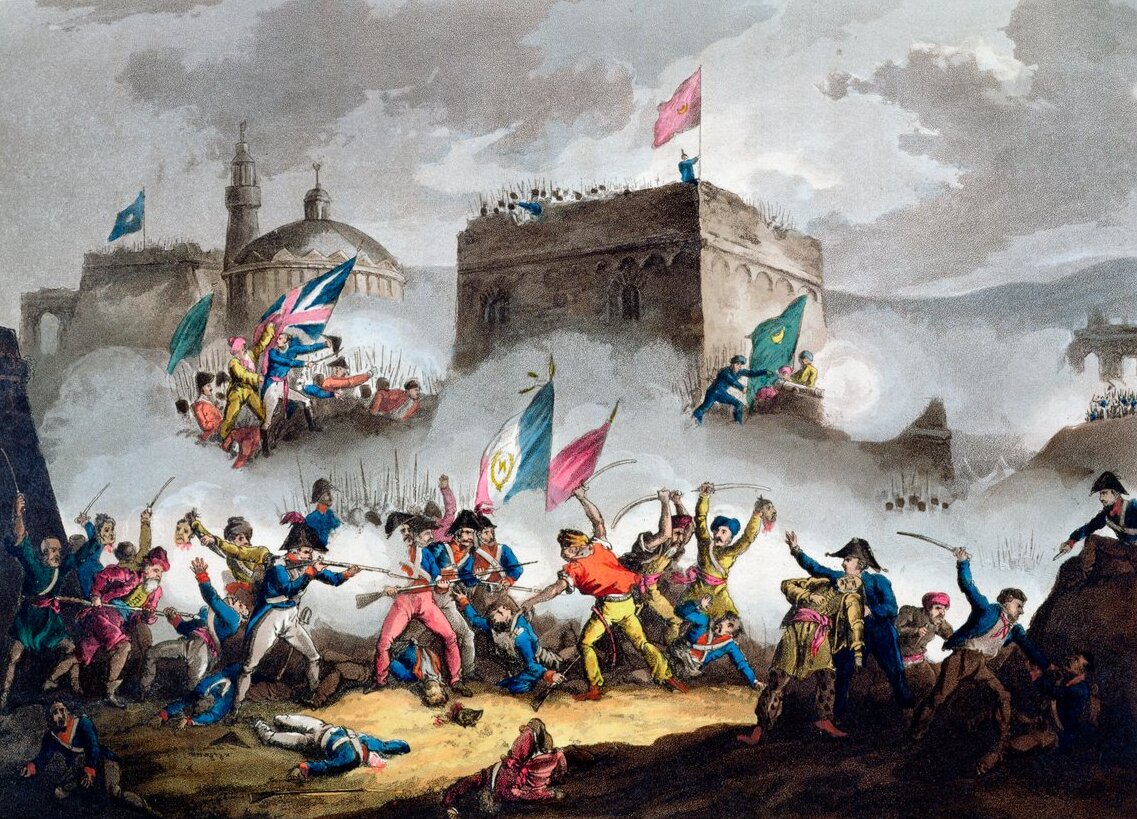
Despite the brutal conditions, losses during the crossing were surprisingly light. Contrary to the propaganda of the era, Napoleon himself made the crossing on a sure-footed mule as opposed to a charger. Lannes’ advanced guard swept aside Austrian outposts and surprised an outpost at Châtillon. However, they encountered fierce opposition by Captain Josef Stockard von Bernkopf at Fort Bard.
Conditions in besieged Genoa became desperate, with food shortages reducing troops and civilians to eating horses and other animals as famine intensified. Not only that, but General Jean-de-Dieu Soult was badly wounded and captured by Austrian Forces. At Fort Bard, a small Austrian garrison temporarily blocked the French advance. Unable to quickly storm the fort, Napoleon ordered artillery dragged past the position at night with wheels wrapped to reduce noise. Lannes attacked the enemy at Ivrea before advancing on Romana. Napoleon rapidly entered Lombardy, seized Milan, and threatened Austrian communications, forcing Melas to abandon his wider strategic position and confront the French army. Napoleon had seized the strategic initiative, but Austria’s army remained intact. The campaign’s outcome would be decided weeks later on the plains near Marengo.
We have struck here like lightning […] the enemy can hardly believe it
Napoleon to Joseph Bonaparte, 24th May, 1800