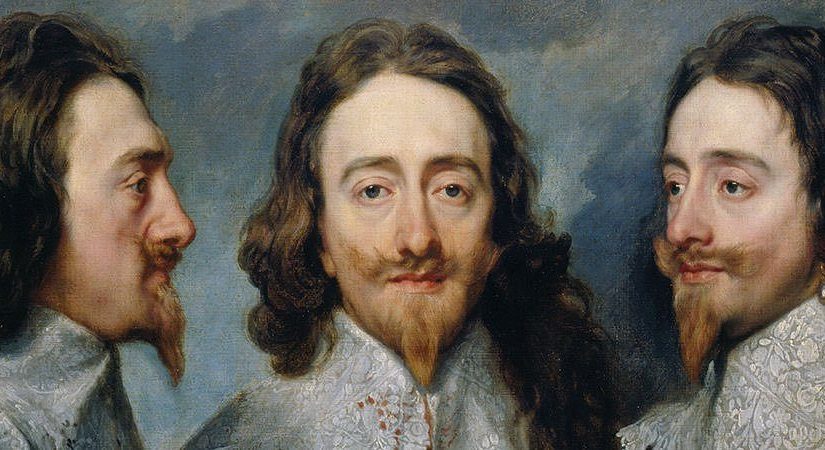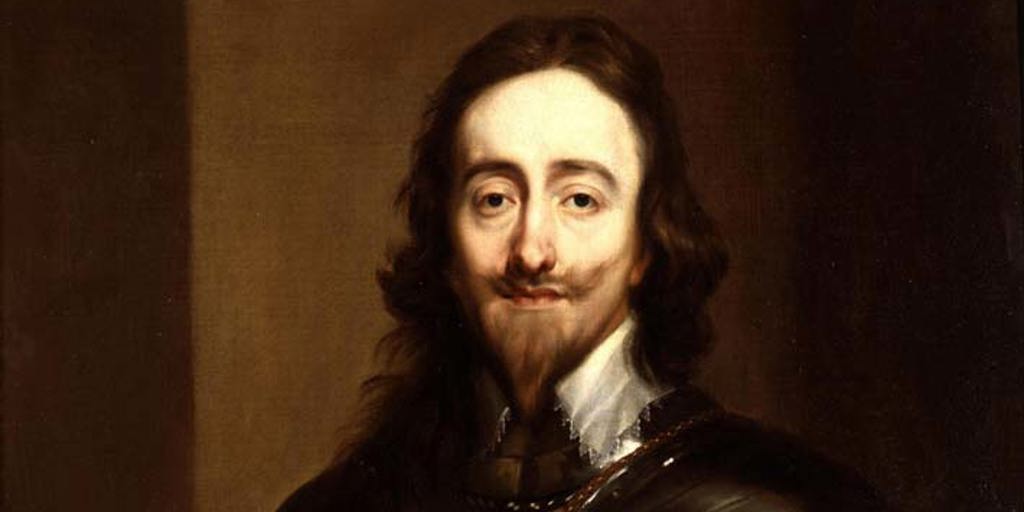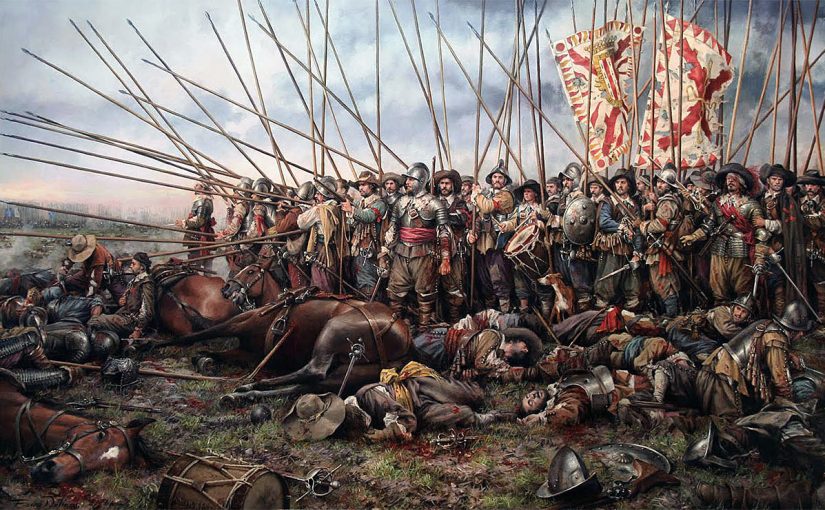
By the autumn of 1642, England was at war. After raising his royal standard at Nottingham in August, King Charles I set about building an army capable of defeating Parliament before the rebellion could gather momentum. Travelling through the Midlands to Derby before turning west through Staffordshire and into Shrewsbury, Charles recruited noblemen, local militias and volunteers wherever he could. By October he had assembled an army of roughly 14,000 men. Although inexperienced, it included many members of the English aristocracy who remained fiercely loyal to the Crown.

Among the King’s commanders was his twenty-two-year-old nephew, Prince Rupert of the Rhine. A veteran of the Thirty Years’ War, Rupert possessed far more battlefield experience than most English officers. Bold, aggressive and supremely confident, he quickly became commander of the Royalist cavalry. His reputation was enhanced almost immediately after the war began when, at the Battle of Powick Bridge near Worcester, his cavalry routed a Parliamentarian force under Colonel John Brown. Although only a small engagement, it gave the Royalists confidence that their cavalry could dominate the battlefield.
With his army assembled at Shrewsbury, Charles believed he had a chance to end the war before it truly began. His objective was simple: march on London, defeat Parliament’s main field army, and reclaim control of his capital. If London fell, many believed Parliament’s resistance would collapse with it. Standing in his way was Robert Devereux, 3rd Earl of Essex, the commander of Parliament’s army. Essex anticipated Charles’s advance and marched north-west from London to intercept him before he could reach the capital. The two armies manoeuvred across Warwickshire, each attempting to gain the advantage without exposing themselves to unnecessary risk.
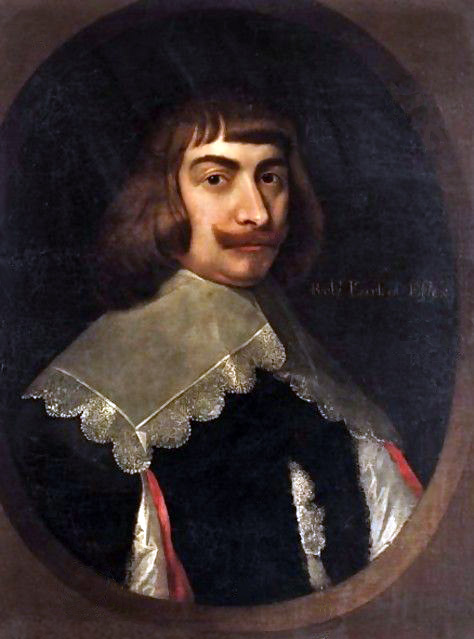
On October 22nd, Royalist scouts under Prince Rupert discovered Parliamentarian forces camped around the village of Kineton. Additional reconnaissance confirmed that Essex’s entire army was nearby. Charles immediately abandoned any thoughts of bypassing his opponent and instead concentrated his forces atop the high ground of Edge Hill. Essex deployed his army on the plain below. Neither commander had intended to fight there, but by the morning of October 23rd, England’s first major pitched battle in nearly three centuries had become unavoidable.
The battle began with an exchange of artillery fire, though the guns proved largely ineffective. The uneven ground made accurate shooting difficult, and neither side suffered significant losses from the bombardment. As the cannon fell silent, Prince Rupert launched the attack. Leading the Royalist right wing, Rupert ordered his cavalry to charge downhill at full speed. The Parliamentarian horse struggled to withstand the impact. Within minutes they broke and fled, pursued relentlessly across the countryside by Rupert’s troopers. On the opposite flank, Royalist cavalry achieved similar success, driving Parliament’s horsemen from the field. It appeared that Charles’s army had gained a decisive advantage.
Yet Rupert’s greatest strength became his greatest mistake. Rather than reforming and returning to support the infantry, many of his cavalry continued chasing fleeing soldiers for several miles. Some attacked Parliament’s baggage train at Kineton, while others scattered in pursuit of plunder. By the time they turned back towards the battlefield, the decisive phase of the battle was already underway. In the centre, thousands of infantry collided in brutal hand-to-hand combat. Musketeers fired disciplined volleys before retreating behind ranks of pikemen, whose eighteen-foot pikes formed dense forests of sharpened steel. Once formations became entangled, the fighting dissolved into desperate close-quarters combat with swords, pikes and the butts of muskets. Casualties mounted rapidly as neither side managed to gain a clear advantage.
The absence of Rupert’s cavalry was keenly felt. Parliament’s infantry, though battered, held together under Essex’s leadership, while fresh Parliamentarian cavalry gradually returned to the battlefield. Had Rupert’s horse been available to strike the Parliamentarian infantry in the flank at the height of the fighting, many historians believe the Royalists might have won a decisive victory. Instead, both armies became exhausted after hours of combat.
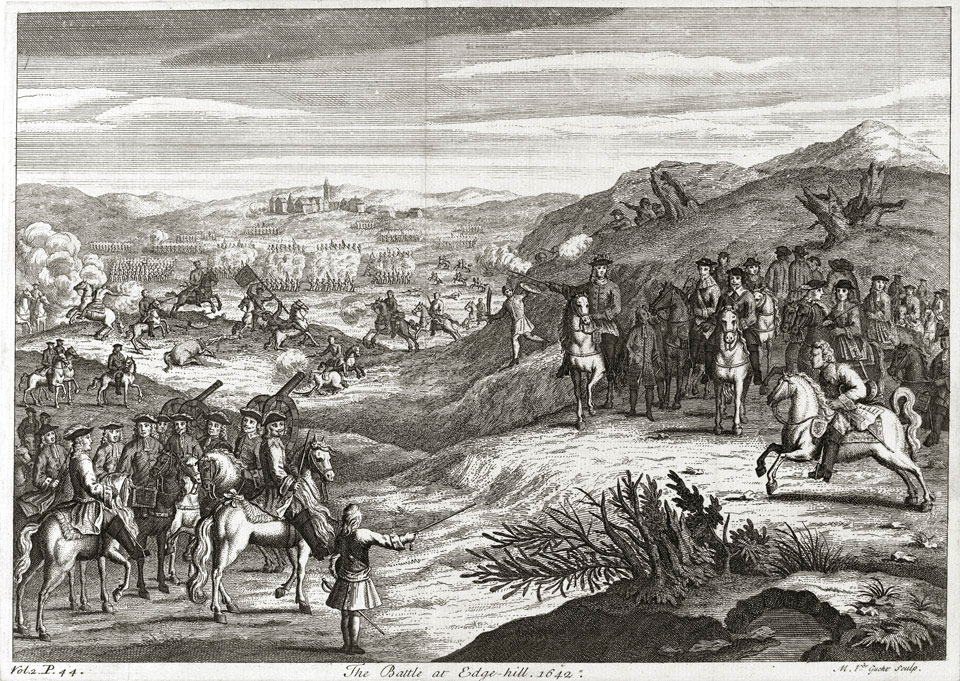
As darkness fell, the fighting petered out. Neither side possessed the strength to launch another assault, and the battlefield was left littered with thousands of dead and wounded. During the night, both armies remained in position, uncertain whether the battle would resume at dawn. Instead, the Royalists withdrew the following morning and continued their march towards London, while Essex claimed possession of the field. The Battle of Edgehill ended without a clear victor. Around 1,500 men had been killed, and both sides claimed success. Yet strategically, Parliament had achieved the more important objective. Charles had failed to destroy Essex’s army, meaning London remained defended. The hope of ending the Civil War with one decisive battle had vanished. Instead, Edgehill marked the beginning of a conflict that would continue for almost seven years, transforming England’s monarchy, government and society forever.