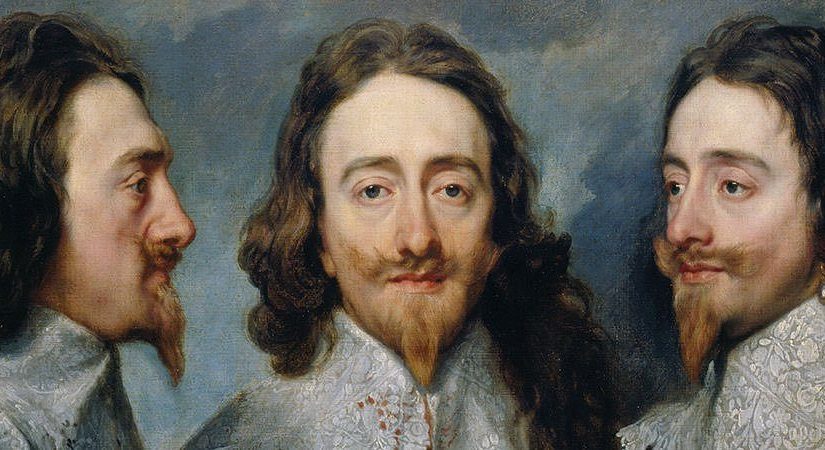
King Charles I became King of England, Scotland and Ireland in 1625 following the death of his father, James VI of Scotland and I of England. James had united the crowns of England and Scotland under the House of Stuart in 1603 after the childless Elizabeth I died, although the two kingdoms remained politically separate and continued to have their own parliaments and laws. Like his father, Charles firmly believed in the Divine Right of Kings: the idea that monarchs were appointed by God and therefore answered only to Him. In Charles’ view, questioning the authority of the King was not merely political opposition but an affront to God’s will itself. Many members of Parliament, however, believed that the King’s authority should be balanced by England’s ancient laws and customs. It was a disagreement that would shape the next two decades.
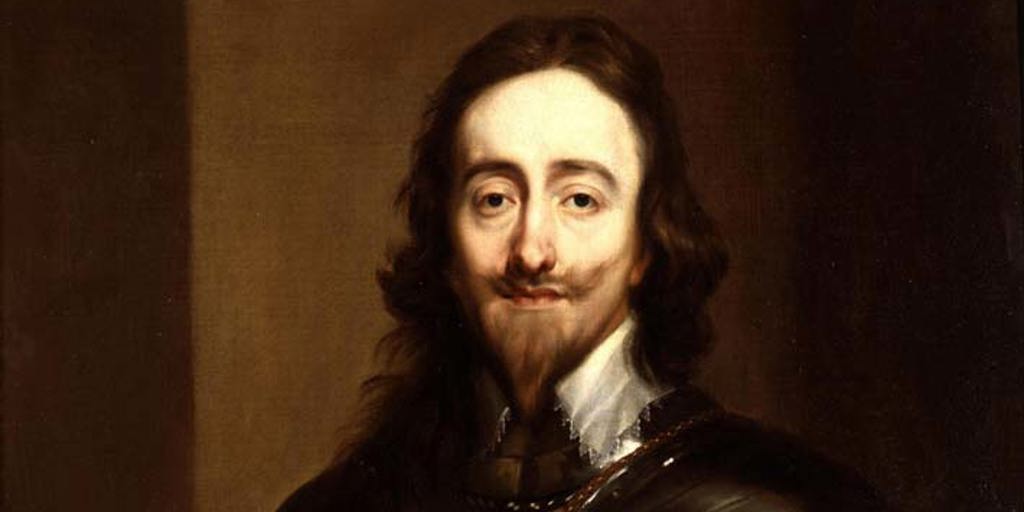
Unlike today, Parliament did not govern England directly. Executive power rested almost entirely with the King, who could summon or dissolve Parliament whenever he wished. However, Parliament controlled one thing the King desperately needed: taxation. Without parliamentary approval, raising large sums of money for government or war became extremely difficult. This uneasy balance between royal authority and parliamentary control had existed for centuries, but under Charles it would be tested like never before.
Almost immediately, Charles began to alienate many of his subjects. Shortly after his accession he married Henrietta Maria, the Catholic sister of King Louis XIII of France. Although intended to strengthen relations with France, the marriage caused deep anxiety in a country that had embraced Protestantism during the Reformation and still remembered the persecution of Protestants under Queen Mary I less than a century earlier. At the same time, Europe was being consumed by the Thirty Years’ War, a vast religious and political conflict centred on the Holy Roman Empire. Many English Protestants wanted Charles to intervene decisively in support of their Protestant allies, particularly his brother-in-law Frederick V, the exiled Elector Palatine. Instead, Charles launched two costly military expeditions against Spain and France that ended in humiliation, leaving both Parliament and the public questioning his judgement.

Religious tensions only continued to grow. Charles increasingly relied upon William Laud, the Archbishop of London who later became Archbishop of Canterbury in 1633. Laud promoted Arminian theology within the Church of England, placing greater emphasis on ceremony, elaborate churches and the authority of bishops. Although Laud remained a Protestant, many Puritans believed these reforms resembled Roman Catholicism far too closely. Combined with the influence of Queen Henrietta Maria and several Catholic advisers at court, fears spread that Charles intended to steer England back towards Catholicism.
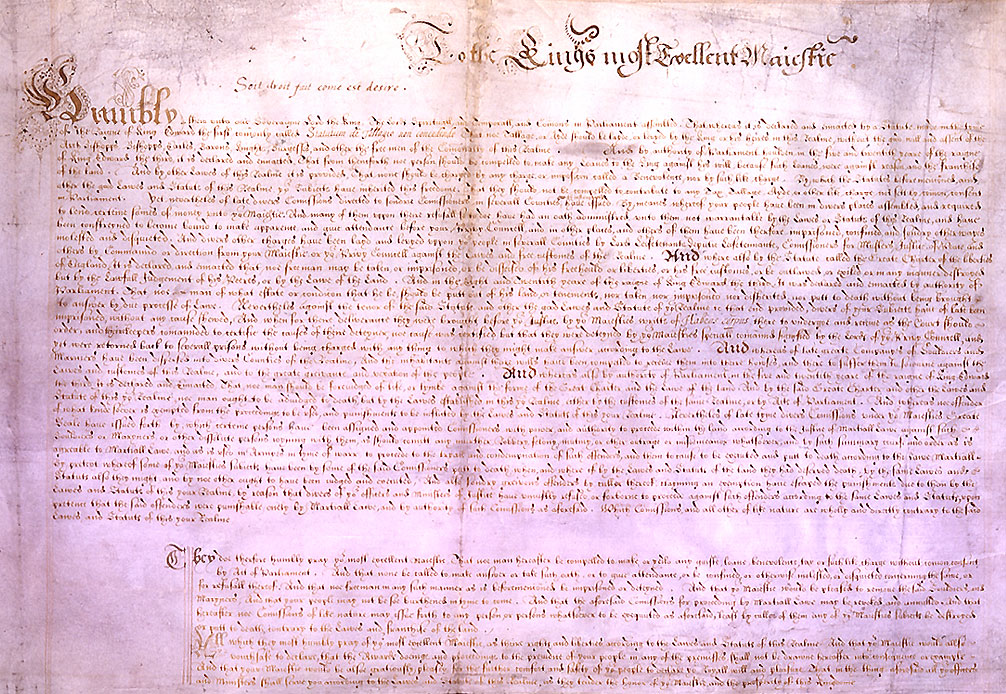
Financial disputes soon made matters worse. Parliament repeatedly refused to grant Charles the money he requested, believing he was wasting public funds on unsuccessful foreign wars. Rather than accept Parliament’s decision, Charles resorted to forced loans and imprisoned those who refused to pay. In response, Parliament drafted the Petition of Right in 1628. Championed by MPs such as John Pym and Sir Edward Coke, the document declared that the King could not levy taxes without Parliament’s consent, imprison subjects without lawful cause, quarter soldiers in private homes or impose martial law in peacetime. Charles reluctantly accepted the petition in order to secure funding, but relations between Crown and Parliament had already deteriorated beyond repair.
The following year, after another bitter confrontation, Charles dissolved Parliament altogether. From 1629 until 1640 he governed without it in a period later known by his critics as the Personal Rule, or the Eleven Years’ Tyranny. To supporters of the King, the country appeared peaceful and stable. To his opponents, Charles was ruling as an absolute monarch. Without Parliament to approve taxation, Charles was forced to find alternative sources of income. He revived long-forgotten medieval laws, imposing fines on landowners for ancient offences and selling monopolies that granted individuals exclusive rights to manufacture or trade particular goods. Prices rose while competition declined, angering merchants and ordinary consumers alike. Most controversial of all was Ship Money, a tax that had traditionally been collected from coastal towns during wartime to fund the Royal Navy. Charles expanded the tax to inland counties and collected it even during peacetime. Although technically legal, many believed the measure violated centuries of constitutional tradition. When Buckinghamshire landowner John Hampden refused to pay in 1637, the ensuing court case became a national symbol of resistance to the King’s growing authority.
Religious controversy continued to undermine Charles’ popularity. Laud’s reforms became increasingly strict, and critics were punished harshly. Three prominent Puritan writers – William Prynne, Henry Burton and John Bastwick – published pamphlets condemning the King’s religious policies. They were convicted of seditious libel, fined heavily, imprisoned and publicly mutilated by having their ears cut off. Rather than intimidating Charles’ opponents, the punishments transformed the three men into martyrs for the Protestant cause.

Charles’ greatest mistake, however, came north of the border. Hoping to create greater religious unity across his kingdoms, he attempted to impose a new English-style Book of Common Prayer upon the Presbyterian Church of Scotland in 1637. The reaction was immediate. According to tradition, a market trader named Jenny Geddes hurled a stool at the minister during the first reading of the new prayer book in Edinburgh’s St Giles’ Cathedral, triggering riots throughout the country. Scottish opposition quickly organised itself through the National Covenant, a movement dedicated to defending Scotland’s Presbyterian Church against royal interference. When Charles attempted to crush the Covenanters by force, the resulting Bishops’ Wars ended in disaster. The Scottish army defeated the King’s forces and occupied parts of northern England. Under the Treaty of Ripon in 1640, Charles was forced to pay the occupying Scottish army £850 every day until a permanent settlement could be reached.
The enormous financial burden left Charles with no choice but to recall Parliament after eleven years. The assembly that met in April 1640, later known as the Short Parliament, refused to grant the King money until their grievances had been addressed. Furious, Charles dissolved it after only three weeks. Without parliamentary funding, however, he suffered another humiliating defeat against the Scots and was forced to summon Parliament once again in November. This second assembly became known as the Long Parliament, and it immediately began dismantling much of Charles’ system of government.
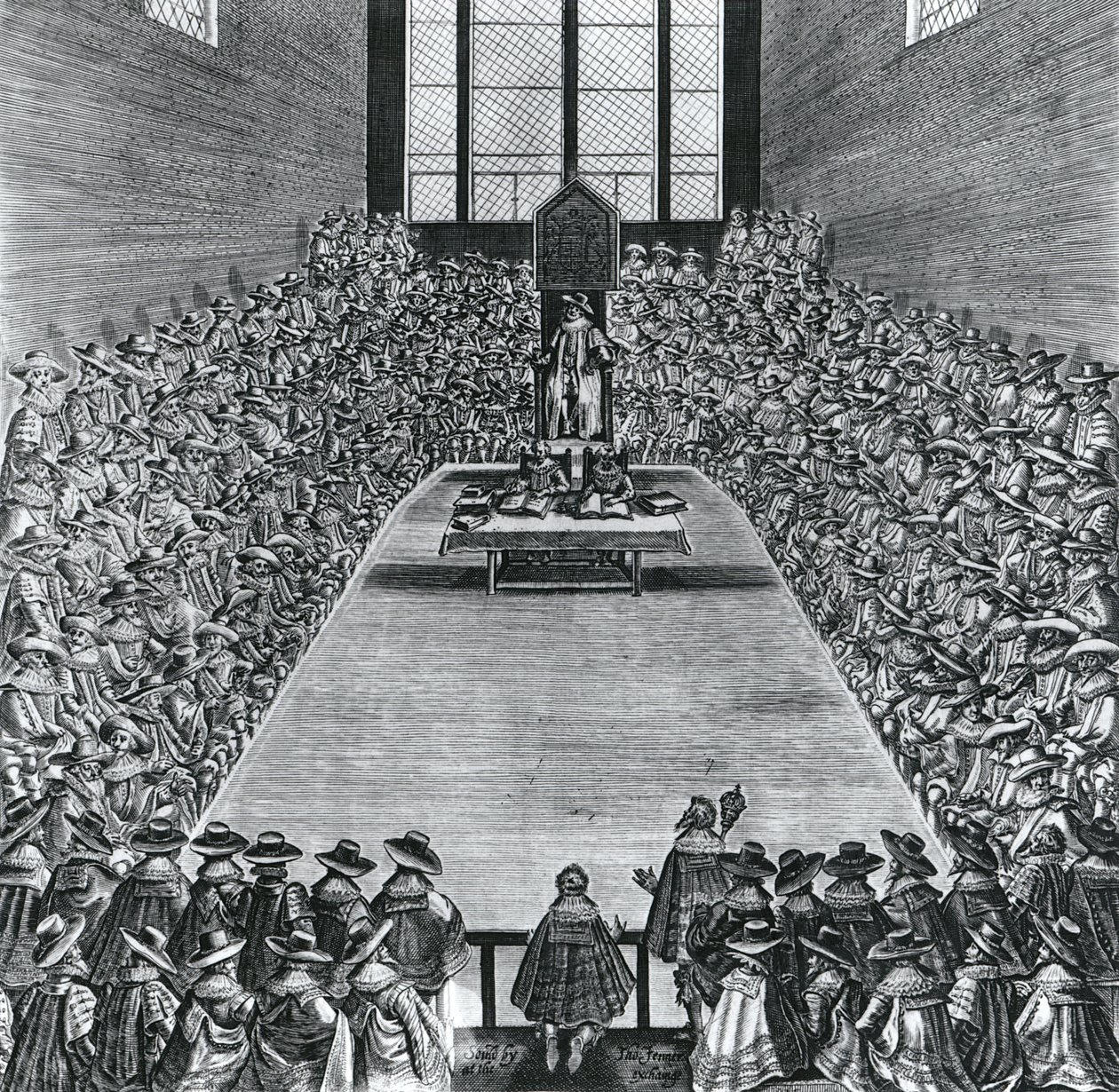
The Long Parliament passed the Triennial Act, requiring Parliament to be summoned at least once every three years, and abolished the Star Chamber, a powerful royal court widely associated with arbitrary justice. Archbishop Laud was arrested, while Thomas Wentworth, Earl of Strafford and Charles’ most trusted political adviser, was impeached for treason and eventually executed despite the King’s desperate attempts to save him. By late 1641 Parliament issued the Grand Remonstrance, a lengthy catalogue listing over two hundred grievances against Charles’ government. It passed by only a narrow margin, demonstrating just how deeply divided even Parliament itself had become.
Charles believed these actions threatened not only his authority but the monarchy itself. On January 4th 1642 he entered the House of Commons accompanied by several hundred armed men, intending to arrest five leading MPs, including John Pym, on charges of treason. Warned in advance, the five members escaped before the King arrived. When Charles asked the Speaker where they were, Speaker William Lenthall famously knelt before him and replied:
May it please Your Majesty, I have neither eyes to see nor tongue to speak in this place but as this House is pleased to direct me.
William Lenthall, Speaker of the House of Commons, repsonding to Charles’ demand

The failed arrest destroyed what little trust remained between King and Parliament. Fearing unrest in London, Charles left the capital and travelled north to gather loyal supporters. Parliament, meanwhile, began raising its own army. Families, towns and entire counties found themselves divided between loyalty to the Crown and loyalty to Parliament. Few people believed they were fighting against England; both sides claimed they were fighting to save it. Yet compromise had become impossible. On August 22nd 1642, Charles raised the royal standard at Nottingham, formally declaring war. England had entered one of the bloodiest and most transformative conflicts in its history: the English Civil War.