By 1792, the French Revolution had transformed France. The monarchy had been weakened, the old privileges of the nobility and clergy had been dismantled, and a constitutional system had been established. Yet the revolution was no longer confined to France. Its ideas were spreading across Europe, whilst European monarchies increasingly feared that the revolution threatened not only the French king, but the entire political order of Europe. The result was a growing confrontation between revolutionary France and the conservative monarchies surrounding it. By April 1792, this tension would develop into the War of the First Coalition, beginning a conflict that would eventually bring France into war with much of Europe.
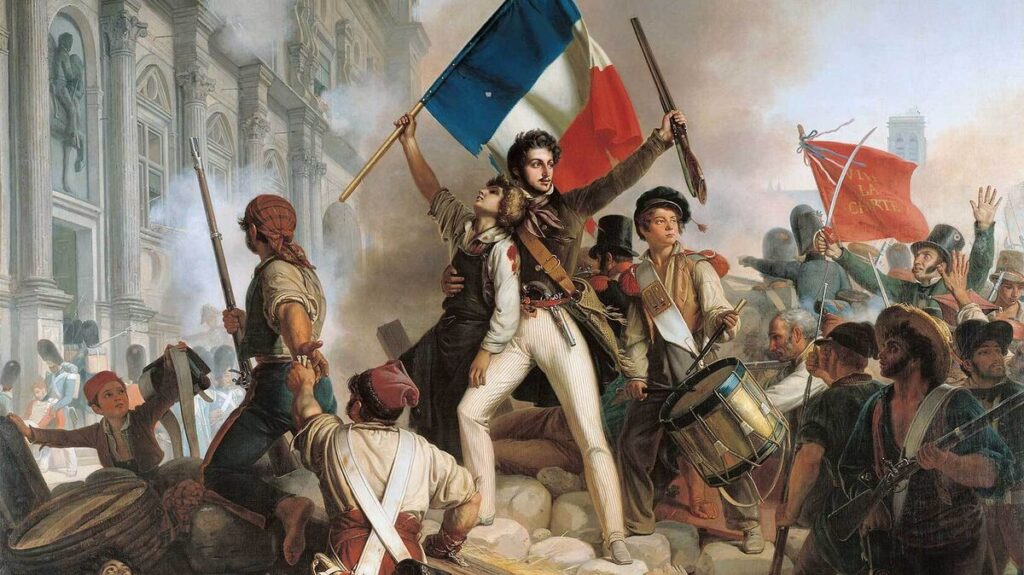
The revolution had initially been viewed by some European governments with cautious interest. France was not immediately seen as an existential threat. However, as the revolution became more radical, its implications became increasingly difficult for other monarchies to ignore. The Declaration of the Rights of Man and of the Citizen proclaimed that political authority came from the nation rather than from a monarch’s divine right. The abolition of feudal privileges challenged the traditional social order, whilst the nationalisation of Church property and the Civil Constitution of the Clergy brought the French state into direct conflict with the Catholic Church.
Most threatening of all was the suggestion that the principles of the revolution were universal. French revolutionaries increasingly argued that liberty was not simply a French privilege. If people elsewhere in Europe were oppressed by absolute monarchies, the revolutionaries believed that they too had a right to freedom. This raised an obvious question for Europe’s rulers: if revolutionary France believed its principles could cross national borders, what would stop revolution from spreading into their own territories? This fear was particularly strong in neighbouring states such as Austria and Prussia, where monarchs ruled over societies with their own political and social tensions.
The situation became more dangerous after Louis XVI attempted to escape France in June 1791. The royal family’s attempted flight to the eastern frontier ended at Varennes, where they were recognised and arrested before being returned to Paris. The episode destroyed much of the remaining trust between the king and the revolutionary movement. Many French revolutionaries now suspected that Louis was secretly working with France’s enemies.
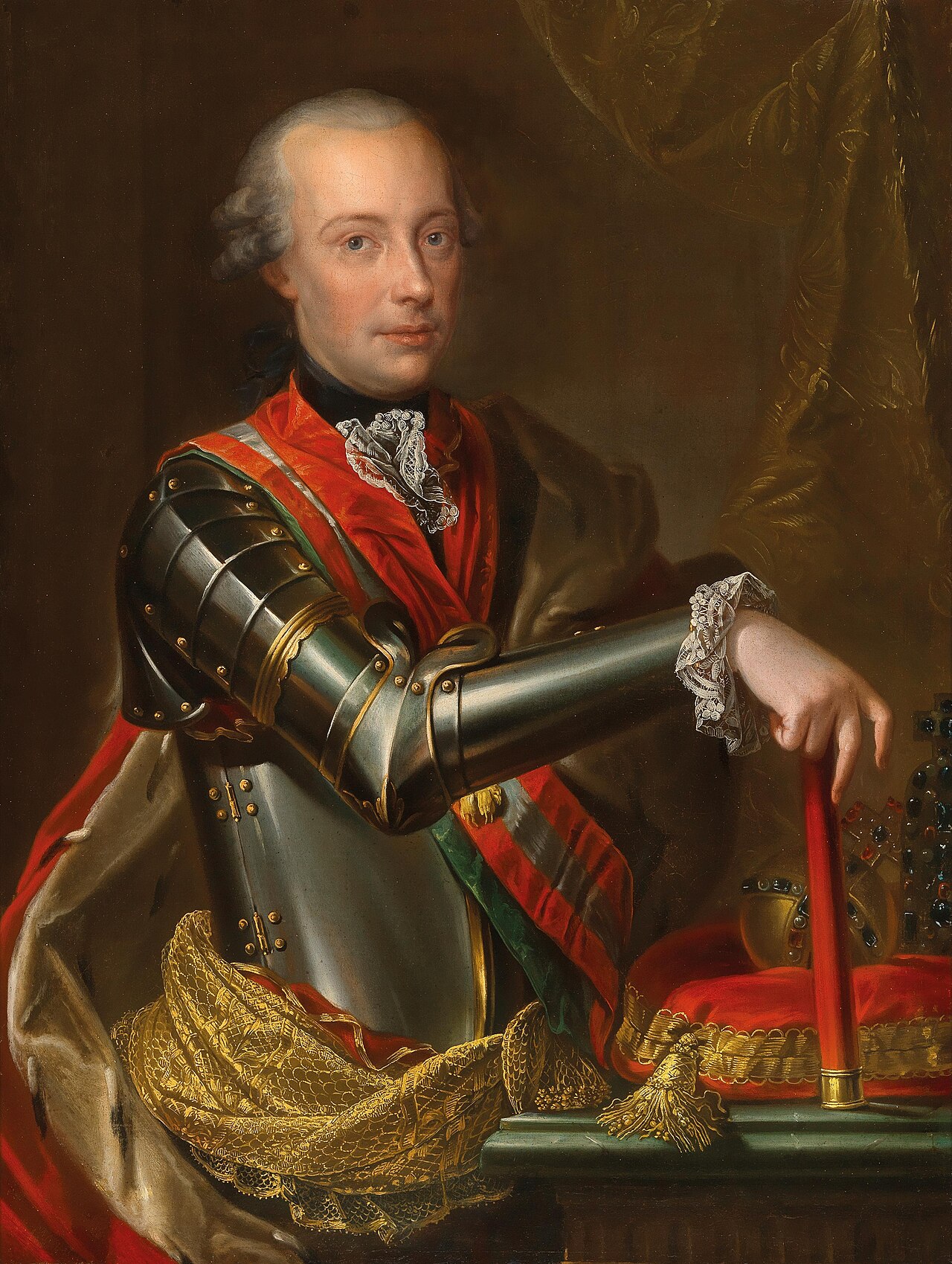
The suspicion was not entirely unfounded. The royal family had attempted to reach territory near the Austrian Netherlands, where the king hoped to place himself under protection and potentially rally support against the revolution. His wife, Marie Antoinette, was also the sister of Emperor Leopold II of the Holy Roman Empire and Archduke of Austria. The European powers, however, were initially cautious about intervening. Leopold did not immediately want to launch a war against revolutionary France, and other monarchies had their own strategic concerns. The revolutionary government nevertheless became increasingly convinced that foreign powers were plotting to restore the old regime.
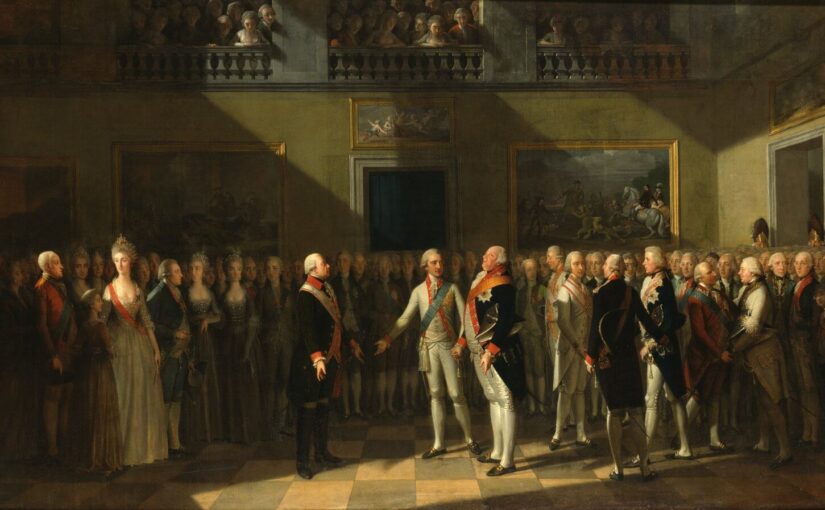
The most important diplomatic warning came in August 1791. Leopold II and King Frederick William II of Prussia met at Pillnitz in Saxony. They issued a declaration expressing concern for the position of Louis XVI and suggesting that the European powers were prepared to intervene if necessary to restore the French monarchy. The Declaration of Pillnitz was partly intended as a diplomatic warning rather than an immediate declaration of war. Leopold himself was cautious and wanted to avoid a major European conflict. In France, however, it was interpreted very differently. Revolutionary politicians presented the declaration as evidence that foreign monarchies were preparing to invade France and destroy the revolution. The threat of foreign intervention therefore strengthened the position of those revolutionaries who believed that war was inevitable.
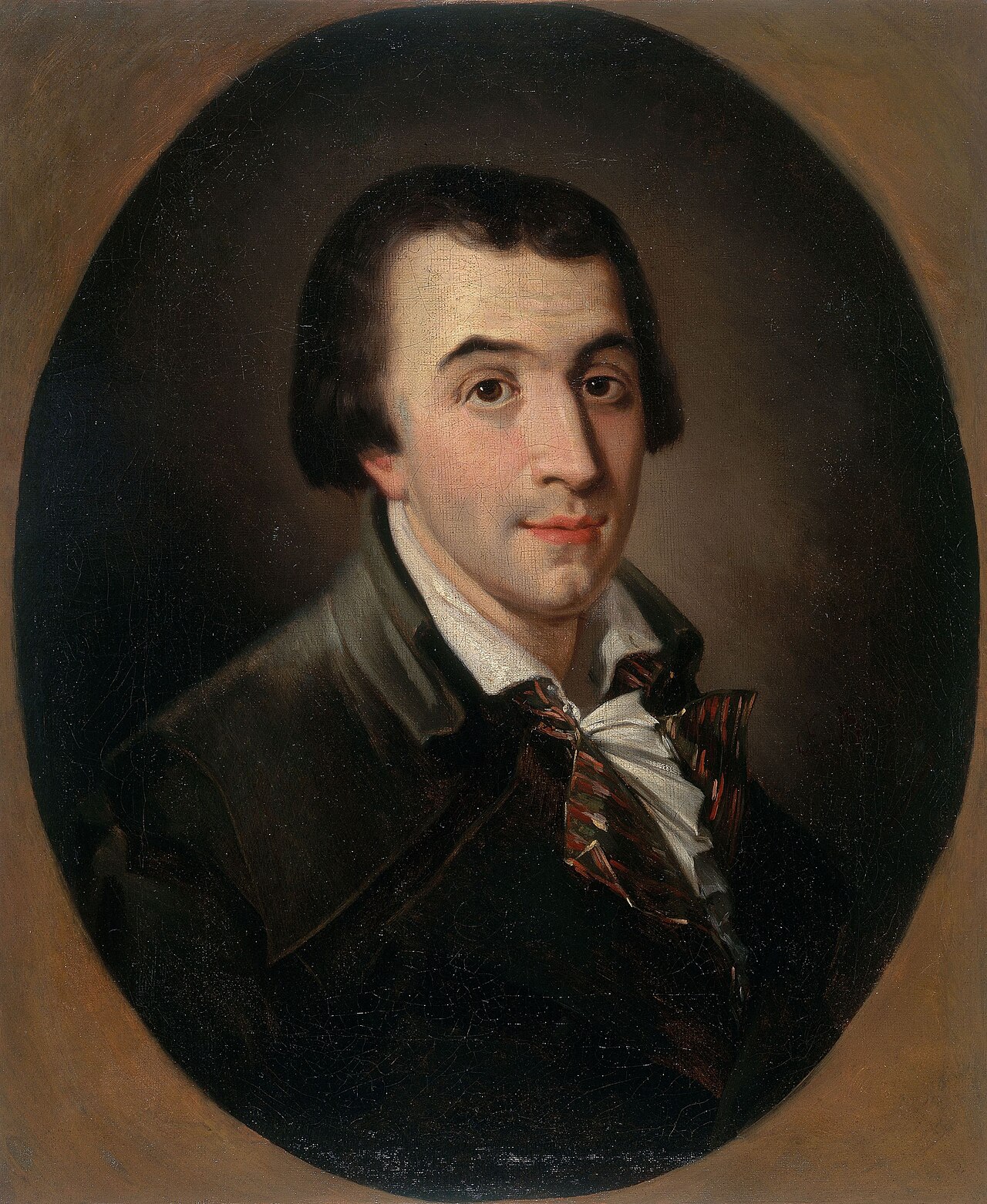
The French émigrés – nobles and other opponents of the Revolution who had fled France – lso added to these fears. Many émigrés gathered along France’s borders and attempted to organise military forces to restore the monarchy. To French revolutionaries, this appeared to be the beginning of a counter-revolutionary invasion. By late 1791, influential politicians within the Legislative Assembly increasingly argued that France should go to war. One of the most prominent was Jacques Pierre Brissot, leader of a group of deputies who would become associated with the Girondins. Brissot argued that war could expose France’s enemies and strengthen the revolution. If the European monarchies were genuinely preparing to attack France, he believed, it was better for France to strike first.
There was also a domestic political calculation. A victorious revolutionary war could unite France behind the Revolution. It could expose traitors and royalists within the country and demonstrate that the new political order was capable of defending itself. Some revolutionaries also believed that French soldiers would spread the principles of liberty throughout Europe. Others opposed war. Maximilien Robespierre was particularly sceptical. He feared that France was not militarily prepared and that war could actually strengthen the monarchy or allow military leaders to acquire excessive power. He also questioned whether France could realistically impose liberty on other nations through military force. His fears would prove remarkably prescient. Nevertheless, the war party gained the upper hand.
The international situation deteriorated further in early 1792. Leopold II died in March 1792 and was succeeded by his son, Francis II. The new emperor inherited the growing confrontation with revolutionary France. France increasingly demanded that Austria stop supporting émigré forces and abandon its opposition to the Revolution. Austria, meanwhile, regarded the revolutionary government with increasing suspicion. On April 20th 1792, King Louis XVI – still technically head of the French constitutional monarchy – appeared before the Legislative Assembly and declared war on Austria. The vote was overwhelmingly in favour. France had entered its first major war since the Revolution began. The conflict initially involved Austria, but Prussia soon joined the war against France. Other European powers would eventually become involved, forming what became known as the First Coalition.