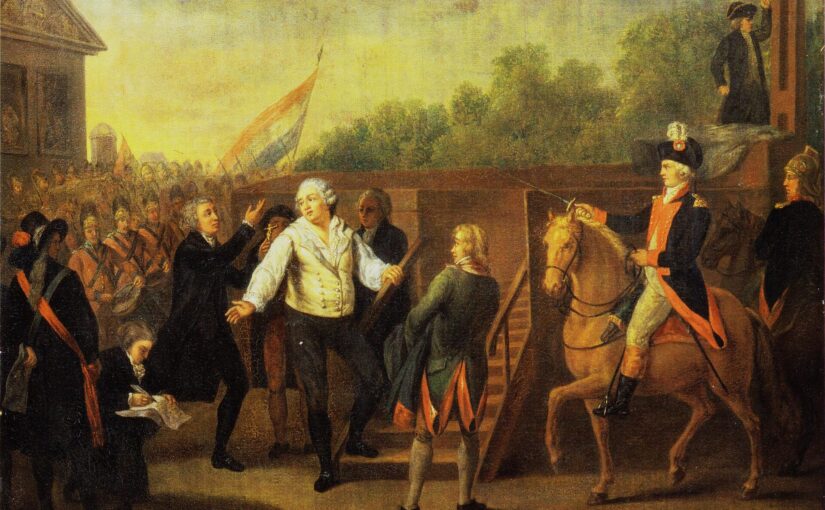
The French Revolution had begun with the transformation of Louis XVI from an absolute monarch into a constitutional king. By the beginning of 1793, he was no longer a king at all. He was a prisoner. The events of August 10th 1792 had destroyed the monarchy. Louis and his family had been imprisoned in the Temple, while the newly elected National Convention abolished the monarchy and proclaimed the French Republic. Yet the existence of the former King remained an uncomfortable problem for the revolutionaries.
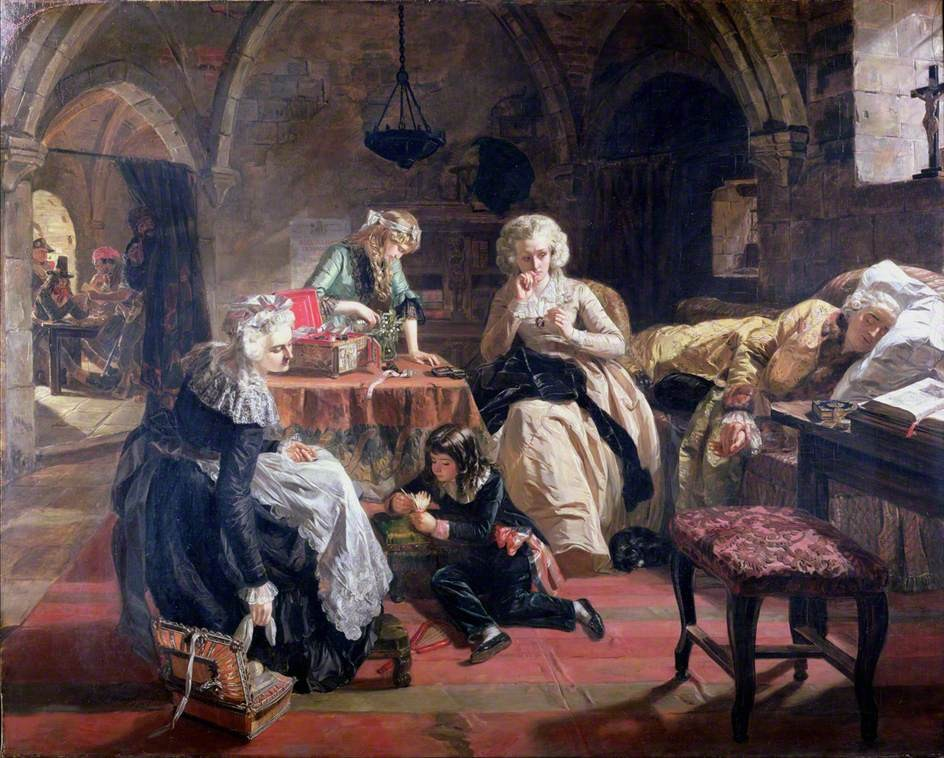
Louis was not simply another political prisoner. He represented the old France. As long as he remained alive, monarchists could imagine that the monarchy might one day be restored. Worse still, France was now at war with the monarchies of Europe, many of which had a direct interest in his survival. The question therefore became unavoidable: What should the Republic do with its former king? The discovery of documents from the Tuileries Palace appeared to provide the revolutionaries with evidence that Louis had secretly communicated with France’s enemies and attempted to resist the Revolution. His failed flight to Varennes in 1791 had already demonstrated that he did not accept the revolutionary settlement imposed upon him. Now the Convention had to decide whether a former king could be tried as an ordinary citizen. The answer was yes.
Louis was brought before the National Convention and accused of conspiring against the liberty of the nation and of maintaining contacts with foreign powers. His defenders argued that the Constitution of 1791 had protected the King from prosecution and that, since he was no longer sovereign, the Convention had no legitimate authority to try him. The revolutionaries rejected this argument. To them, Louis’s position was precisely what made the case so important. If sovereignty belonged to the nation rather than the monarch, then Louis could not claim immunity merely because he had once been king. He was now Louis Capet, citizen of the Republic.
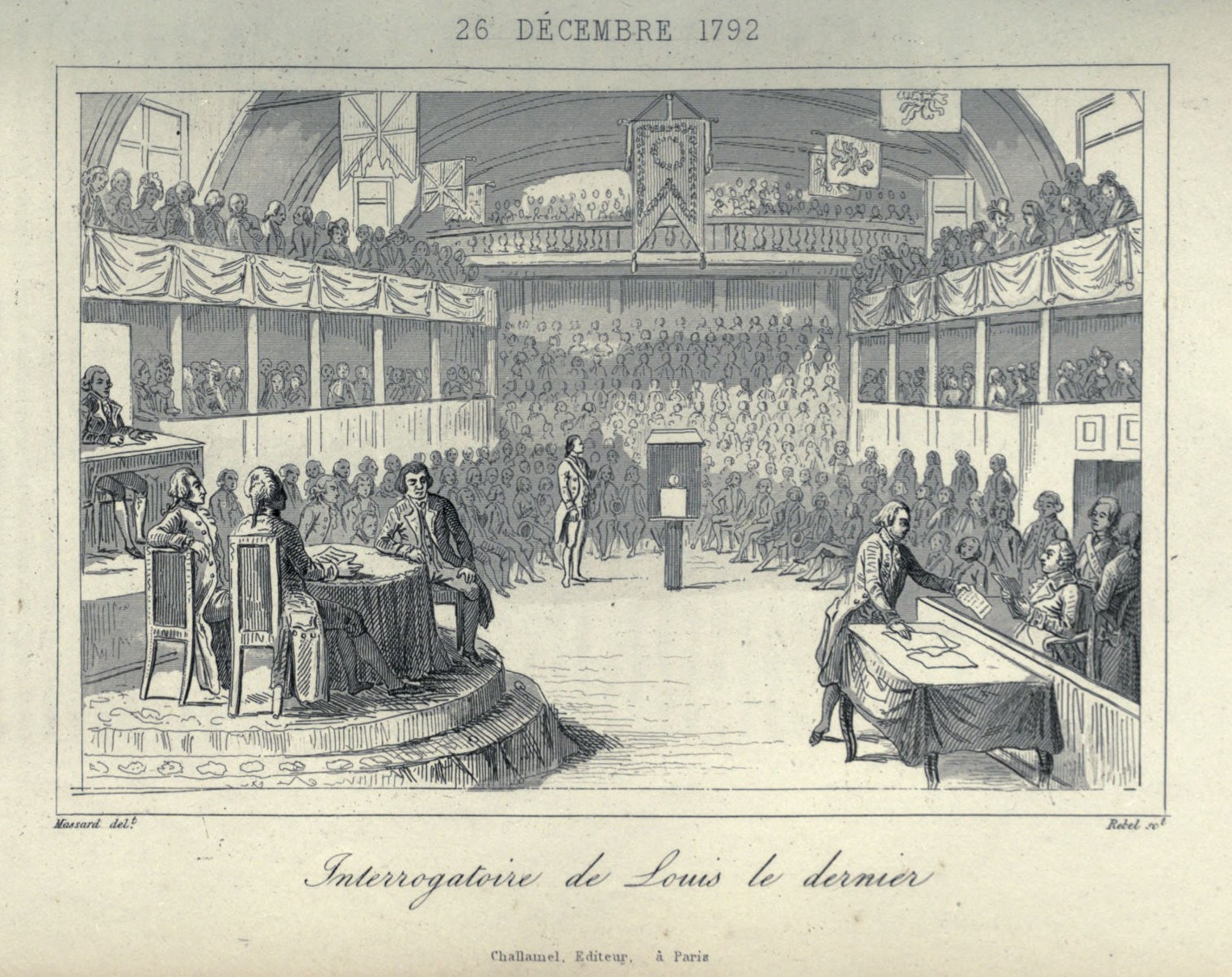
The trial became one of the most important political confrontations of the Revolution. Louis’s defence attempted to separate him from the decisions of his ministers and representatives, while the prosecution presented his correspondence and actions as evidence that he had worked against the Revolution. The question was not simply whether Louis had personally committed an act of treason in the conventional sense. It was whether the Revolution could allow the former monarch to survive without creating a permanent threat to the Republic. For the radicals, the answer was no.
The Convention eventually reached its verdict. Louis was declared guilty. The more difficult question was what should happen to him. There were revolutionaries who favoured imprisonment, exile or another punishment. Executing a former king was an extraordinary step, and some feared that it would provoke foreign intervention, strengthen the counter-revolution and make reconciliation impossible. Others, however, believed that allowing Louis to live would leave France permanently vulnerable. Among the most uncompromising was Maximilien Robespierre.
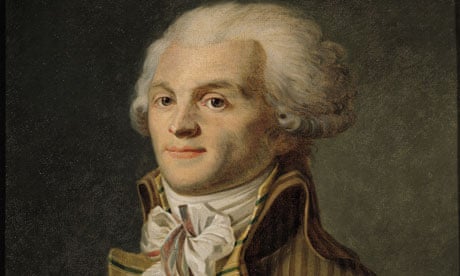
Robespierre argued that the issue was not simply the punishment of an individual. The Republic had to demonstrate that sovereignty had passed from the monarchy to the nation. In his view, Louis could not simultaneously be a former sovereign and an ordinary citizen. His continued existence could become a rallying point for the enemies of the Revolution. The Convention therefore voted on his fate. The result was extraordinarily close. The vote for the death penalty was carried by 361 votes to 360 among those voting on the question. By a single vote, Louis XVI was condemned to death. The decision meant that the Revolution had crossed a line from which it could not easily return. The King who had summoned the Estates-General in 1789 in an attempt to resolve France’s financial crisis was now condemned by representatives of the nation he had once ruled. His execution was scheduled for January 21st 1793.
Louis awoke at approximately five in the morning. He spent his final hours with the Abbé Edgeworth de Firmont, the Irish-born priest who had agreed to accompany him to the scaffold. Louis prayed and prepared himself for death. He also attempted to put his affairs in order. He gave his royal seal to be passed to his son, the young Louis-Charles, who remained imprisoned with his family. He also gave his wedding ring to be returned to Marie Antoinette. The symbolism was extraordinary. The royal seal represented the authority he had once exercised over France. The wedding ring represented his family. Both were now being passed on by a man who was about to die as a condemned prisoner.
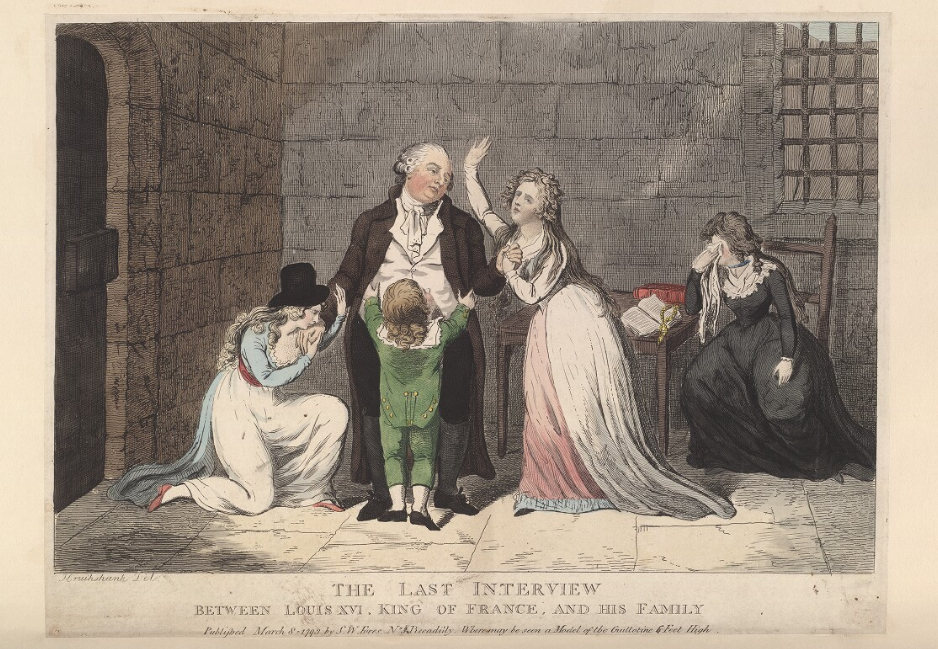
Shortly after 9 a.m., Louis was taken from the Temple. He was placed inside a carriage and transported through the streets of Paris towards the Place de la Révolution, the modern Place de la Concorde. The journey was deliberately surrounded by security. Soldiers lined the streets, while thousands of Parisians gathered to watch. The Revolution was making a spectacle of the death of its former ruler. Louis eventually reached the scaffold. The guillotine had become one of the defining instruments of revolutionary justice. Introduced in 1792 as a supposedly more humane and egalitarian method of execution, it had been designed to eliminate the distinction between the manner in which aristocrats and ordinary criminals were put to death. Now it was being used against the former King of France.
Louis climbed the scaffold. According to the traditional account, he attempted to address the crowd before his execution. The drums began to roll, but Louis asked for them to stop. He then declared:
Frenchmen, I die guiltless of the crimes imputed to me. I forgive the authors of my death, and I pray to God that the blood you are about to shed may never fall upon France.
Louis’ last words to the people of France
The executioners then prevented him from continuing and the drums resumed. Louis was prepared for the execution. His hair was cut and his clothing adjusted, while his hands were bound. He was then positioned upon the guillotine. For almost 800 years, France had been ruled by a hereditary monarchy. Now its former King placed his head upon the same execution machine used for other condemned citizens. The blade fell. Louis XVI was dead. The cannons fired across Paris, announcing the execution. The man who had been crowned King of France at Reims in 1775 had been publicly executed in the capital of the Republic. He was 40-years-old.

The execution of Louis XVI represented far more than the death of an individual monarch. It was a declaration that the old political order was dead. There could now be no simple restoration of the constitutional monarchy created in 1791. The Republic had executed the man who had personified the French monarchy. Any compromise with the old order had become considerably more difficult. The consequences were immediate. Across Europe, the execution shocked monarchies that had already regarded the French Revolution as a dangerous threat. Britain entered the war against revolutionary France shortly afterwards, joining a growing coalition of European powers.
Inside France, meanwhile, the execution intensified the conflict between revolutionaries and their opponents. For the radical revolutionaries, Louis’s death represented the defence of the Republic. For monarchists, it was regicide. For Europe’s other monarchies, it was evidence that the Revolution was willing to destroy the traditional foundations of European political order. The execution therefore transformed Louis XVI into something he had never quite been during his lifetime: a martyr. His death would become a rallying point for French royalists and counter-revolutionaries, while his execution would help convince foreign monarchies that the revolutionary government could not simply be contained within France. The Revolution had begun by demanding that the King share his authority with the nation. It had ended by putting him beneath the blade. The French monarchy had survived wars, rebellions, religious conflicts and centuries of political change. It did not survive the Revolution. On January 21st 1793, Louis XVI became the first King of France to be publicly executed by his own subjects.