The Declaration of Independence transformed the conflict from a rebellion into an outright war for national independence. King George III and the British government now had little reason to believe that the colonies could be brought back into the Empire through negotiation. The rebellion had to be defeated militarily. Britain therefore assembled a massive expeditionary force to crush the Continental Army and capture the political centre of the revolution.
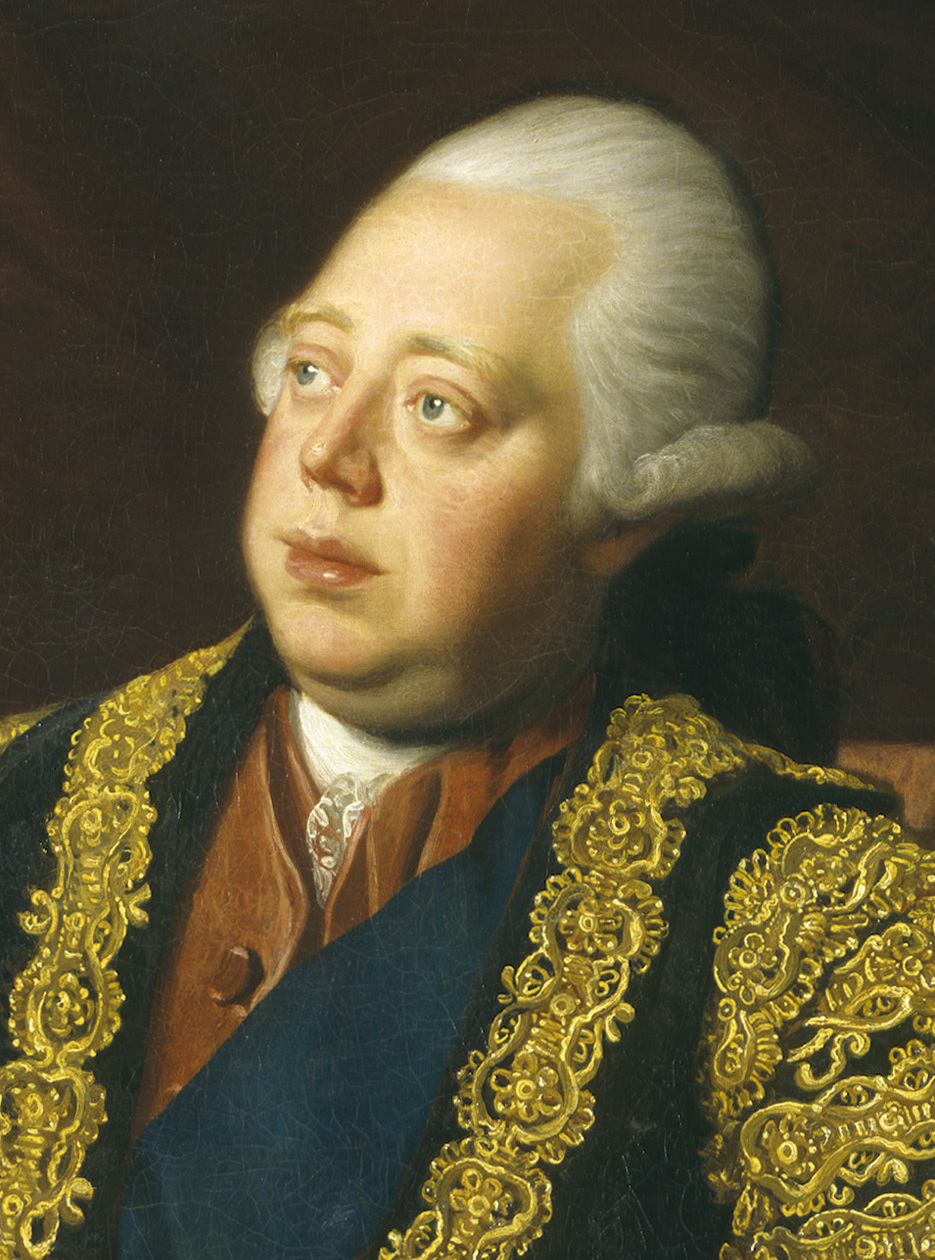
In the summer of 1776, a British fleet carrying around 30,000 troops arrived off New York. Commanded by General William Howe and supported by his brother, Admiral Richard Howe, the British intended to seize New York City and destroy Washington’s army. New York was strategically important because the Hudson River provided a route into the interior of the colonies, while its excellent harbour could serve as a major British naval base.
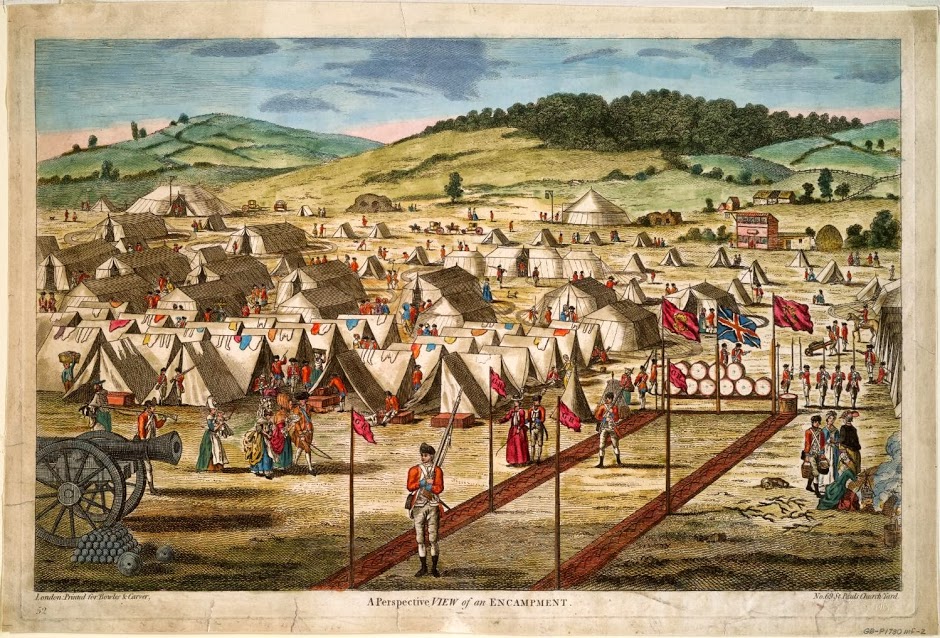
The British established their main camp on Staten Island, while Washington positioned his army across Long Island and around Brooklyn Heights. The Americans constructed defensive positions and expected the British to attack. Washington, however, was facing a serious problem: his army was still inexperienced, poorly supplied and composed largely of short-term volunteers. The British, by contrast, possessed one of the world’s most experienced professional armies and the most powerful navy in the world.
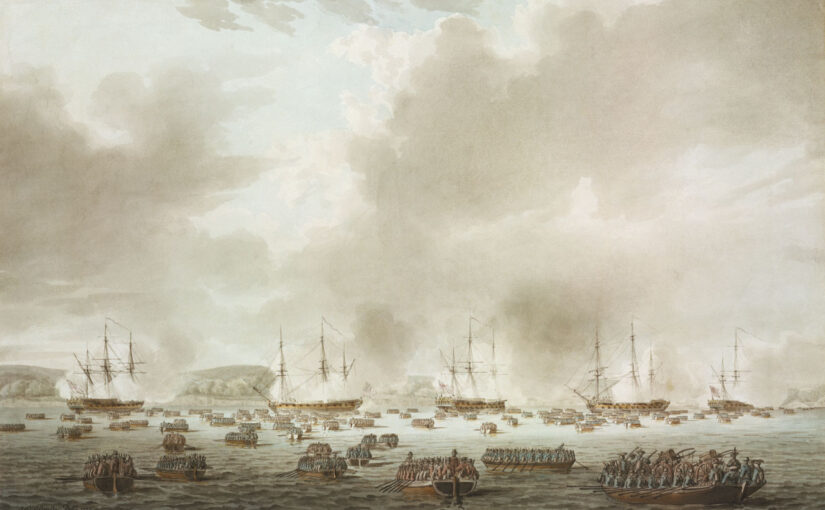
Rather than immediately launch a frontal assault, General Howe spent several weeks gathering his forces and looking for weaknesses in the American defences. On August 22nd, British troops began landing on Long Island. Five days later, the Battle of Long Island began. The British used a strategy designed to exploit the American position. While part of Howe’s army attacked the Continental forces from the front, another force secretly moved around their flank through lightly defended routes. The Americans were eventually overwhelmed and forced back towards their fortifications around Brooklyn Heights. Washington’s army suffered heavy casualties and thousands of soldiers were captured.
The situation quickly became desperate. The Continental Army was trapped between the British army and the East River, with New York City behind them and little room to retreat. Washington reportedly watched the battle from Brooklyn Heights as his army was pushed towards the river. If the British attacked the American fortifications directly and succeeded, the entire Continental Army could potentially be destroyed. Yet Howe hesitated. Rather than immediately assault the heavily defended American positions, the British began preparing to besiege them. This decision gave Washington an opportunity that might otherwise never have existed.

During the night of August 29th and into the early hours of August 30th, American troops quietly withdrew from Long Island across the East River. A combination of darkness, favourable weather and a thick fog concealed the evacuation from the British. Soldiers, artillery and supplies were gradually transported across the river to Manhattan. By morning, almost the entire American army had escaped. The retreat was one of the most important moments of the entire campaign. The British had won a decisive victory, but they had failed to destroy Washington’s army. Had the Continental Army been captured at Brooklyn, the rebellion might have collapsed before the newly declared United States had even established itself.
Instead, the British continued their advance. Washington was forced to abandon New York City and retreat north before eventually withdrawing through New Jersey. The Continental Army suffered further defeats at Kips Bay, White Plains and Fort Washington. By December, Washington had been pushed across the Delaware River into Pennsylvania. Morale within the American army collapsed. Soldiers deserted, supplies became scarce and Washington’s leadership was increasingly questioned. The British appeared to be winning almost everywhere they went. To many Americans, the war seemed all but lost. Yet the British victory contained a crucial weakness. They had repeatedly defeated Washington’s army, but they had failed to destroy it. Washington understood that his primary objective was no longer to win every battle, but to keep the Continental Army alive. As long as an American army remained in the field, Britain could not claim that the rebellion had been completely defeated.
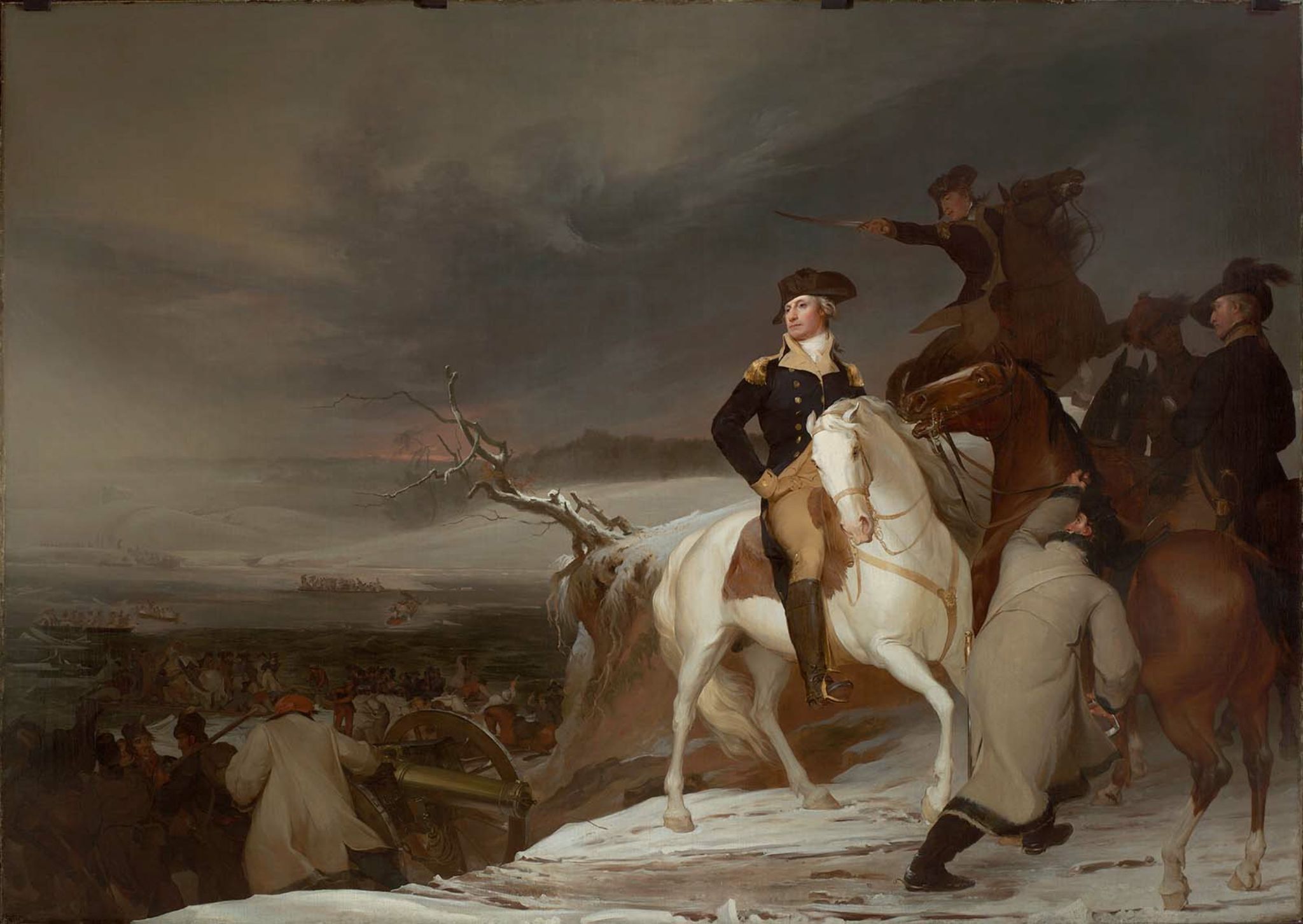
By the end of 1776, Washington had been driven hundreds of miles from New York, suffered several humiliating defeats and lost much of his army. But he had survived. The British had captured territory, but they had not captured the revolution. And Washington was about to attempt one of the most audacious counterattacks of the entire war.