After forcing the British troops out of Boston, Washington moved his army south towards New York, believing that the city would be the next major target for the British. His suspicions were well founded: New York was strategically vital, offering control of the Hudson River and an important route into the interior of the colonies. Meanwhile, however, the political character of the conflict was beginning to change. What had started as a dispute over taxation, representation and the authority of Parliament was increasingly becoming a struggle over whether the colonies should remain part of the British Empire at all.
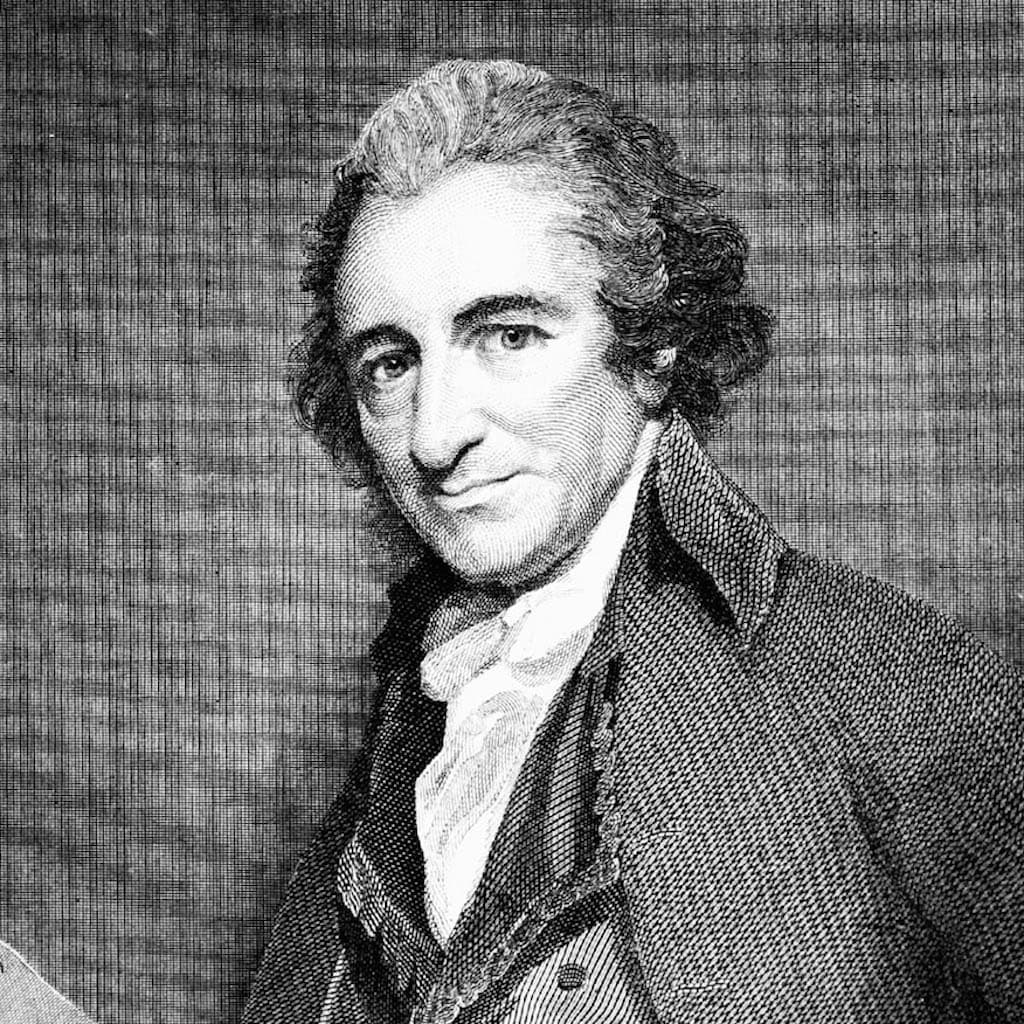
One of the most influential voices in this growing independence movement was Thomas Paine, an English-born political writer who had arrived in Philadelphia only months before the outbreak of war. In January 1776, Paine published a pamphlet entitled Common Sense. Written in deliberately straightforward language rather than the formal style common among political philosophers, Paine attacked the idea that the American colonies should remain subordinate to Britain. He argued that hereditary monarchy was fundamentally unjust and that it was absurd for a continent to be governed by a distant island thousands of miles away. Britain, he argued, was not protecting the colonies but holding them back from their potential as an independent nation.
Common Sense became an extraordinary success. Tens of thousands of copies were sold throughout the colonies, making it one of the most widely read political works in eighteenth-century America. More importantly, it helped transform independence from a radical idea discussed by a minority of revolutionaries into a subject of mainstream political debate. If the colonies were already fighting Britain’s armies, Paine argued, there was little reason to continue claiming loyalty to the British Crown.
The political debate now reached the Continental Congress. Some delegates remained reluctant to declare independence, fearing that breaking completely with Britain would make reconciliation impossible and potentially provoke an even more devastating war. Others believed that reconciliation was no longer realistic. British attempts to suppress the rebellion, the deployment of large military forces and the continued fighting had convinced many that the colonies could no longer safely remain within the Empire.
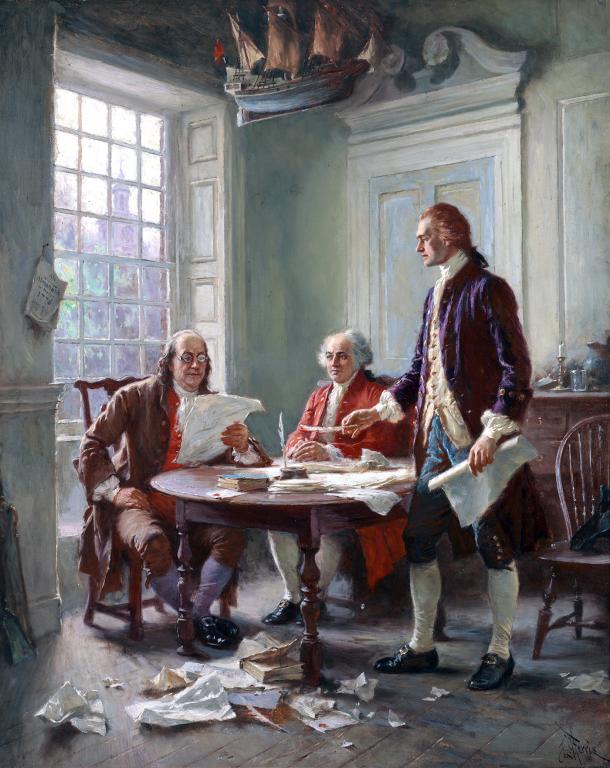
On June 7th, 1776, Richard Henry Lee of Virginia formally proposed that “these United Colonies are, and of right ought to be, free and independent States.” Congress postponed the final decision while a committee consisting of Thomas Jefferson, John Adams, Benjamin Franklin, Roger Sherman and Robert Livingston was appointed to draft a declaration explaining why independence was necessary. The principal author was Jefferson, who drew upon Enlightenment ideas about natural rights and government. The Declaration argued that all people possessed fundamental rights and that governments existed to protect those rights. When a government repeatedly violated them, the people had the right to alter or abolish it. Jefferson then presented a long list of grievances against King George III, accusing him of interfering with colonial government, restricting trade, maintaining a standing army and denying the colonists their political liberties.
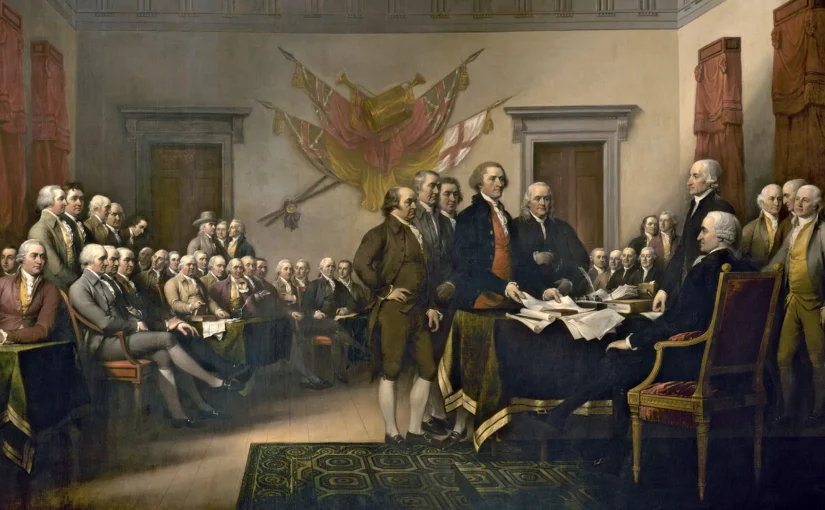
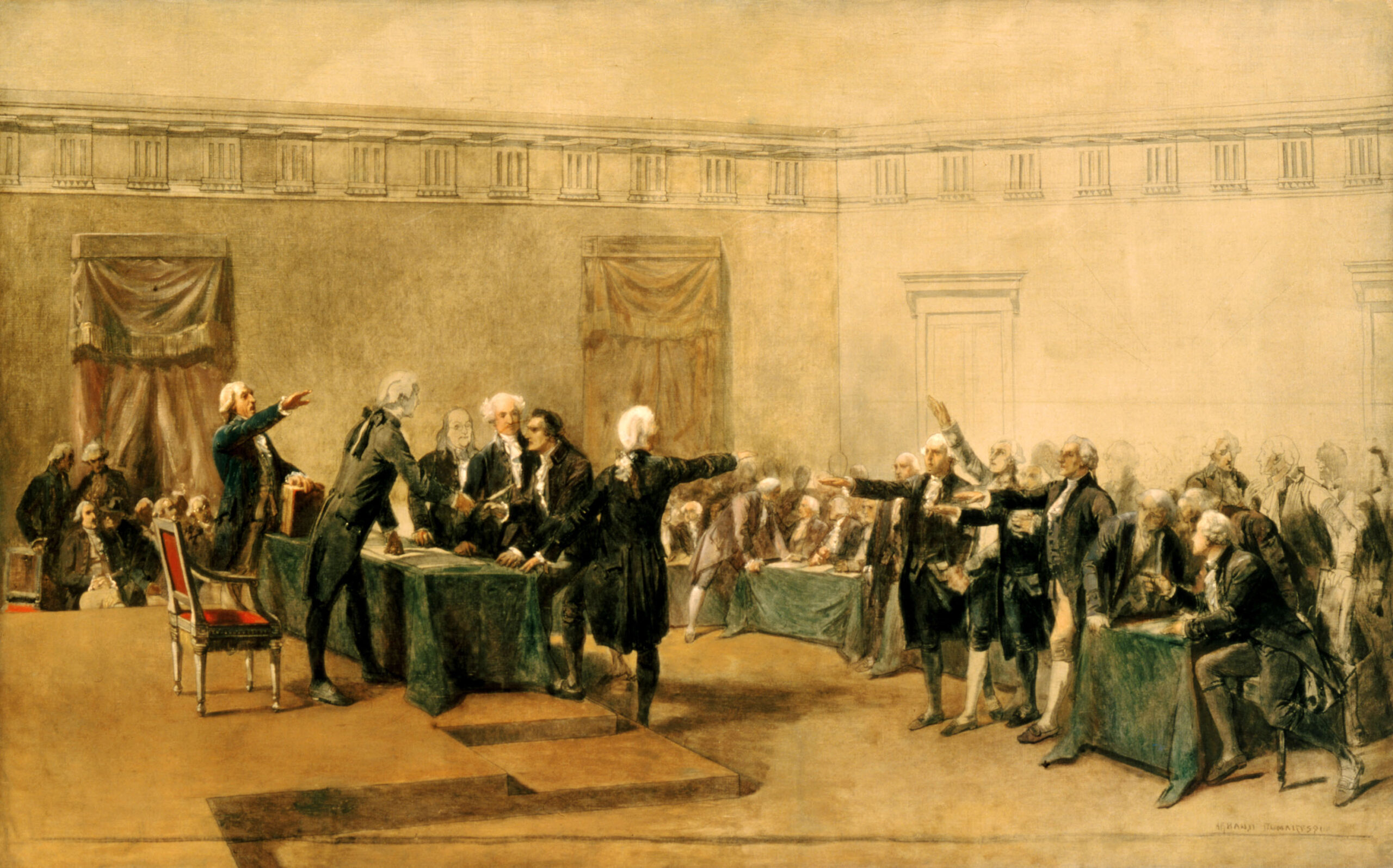
On July 2nd, 1776, the Continental Congress voted in favour of Lee’s resolution for independence. The thirteen colonies had formally declared themselves independent states. Two days later, on July 4th, Congress adopted the final wording of the Declaration of Independence. Although the document was not a declaration of independence in the sense that the war had suddenly begun – the fighting had already been underway for more than a year – it transformed the conflict into something fundamentally different.
The colonies were no longer fighting merely to force Britain to change its policies. They were now fighting to establish a completely new country. The United States of America had been declared into existence, but declaring independence was considerably easier than defending it. Thousands of British soldiers and sailors were already being sent towards New York, and the largest battle of the war was about to begin.