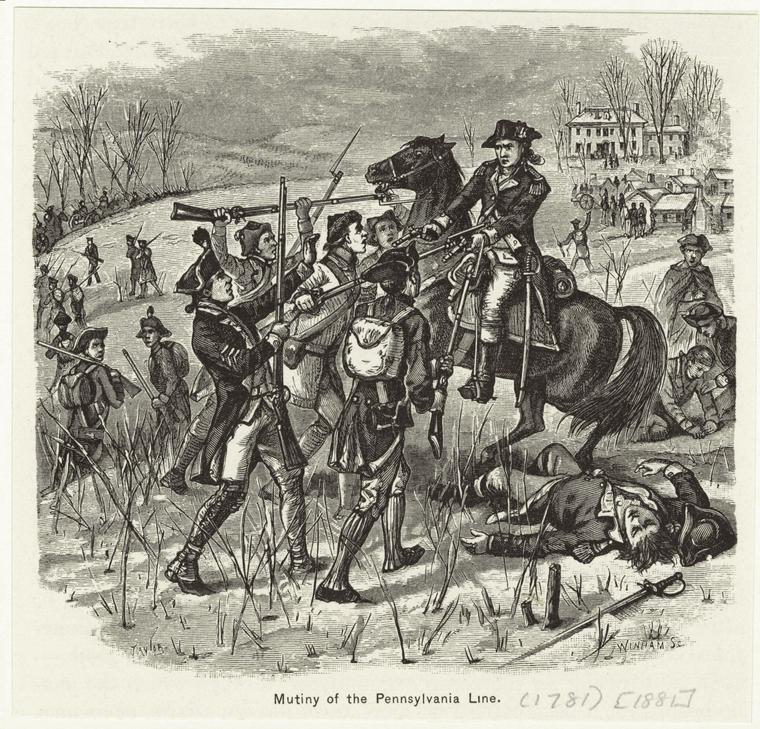
By 1781, both sides were becoming exhausted by the war. The Continental Army had suffered from shortages of food, clothing and pay, while mutinies had broken out among American troops. Britain, meanwhile, was struggling with the enormous financial cost of fighting a war thousands of miles from home. The French alliance had transformed the conflict, forcing Britain to fight not only the Americans but also France and, increasingly, Spain. Neither side could easily deliver a decisive blow.
The British had therefore shifted their attention towards the Southern Colonies, hoping that the large population of Loyalists there would allow them to rebuild their strength. General Charles Cornwallis had campaigned through the Carolinas and eventually moved his army into Virginia. He established himself at Yorktown on the Chesapeake Bay, intending to use the position as a secure base from which British forces could control Virginia and receive supplies and reinforcements by sea.
Unknown to Cornwallis, however, Washington had devised a plan that could trap him. The British commander in New York, General Henry Clinton, had intercepted American communications suggesting that Washington was preparing to attack New York City. Clinton therefore remained in New York, believing the city to be the main target. In reality, Washington was preparing to march his army south towards Virginia. The deception allowed Washington and the French commander, the Comte de Rochambeau, to move thousands of troops away from New York without the British immediately realising what was happening.
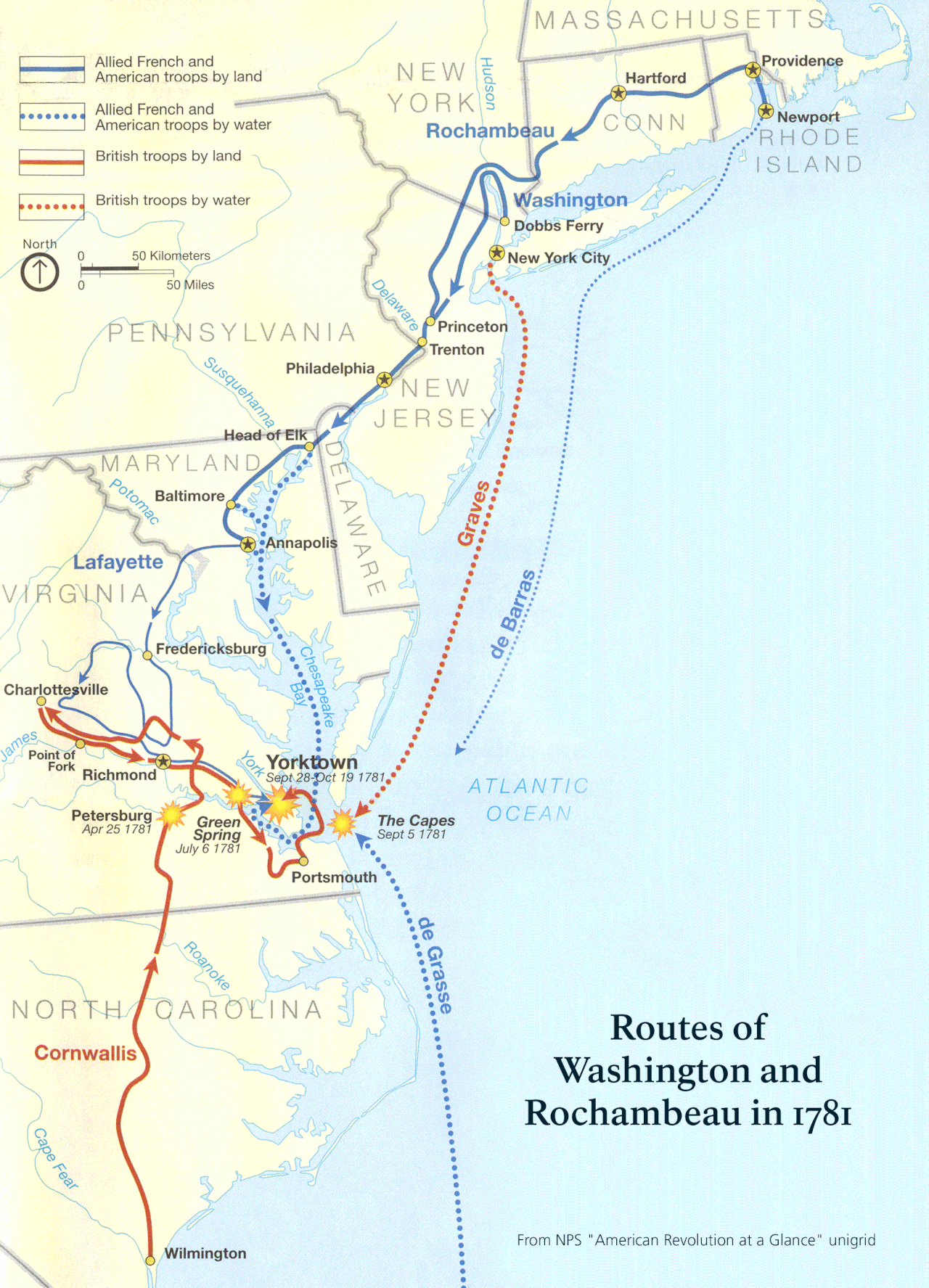
At the same time, a French fleet under the Comte de Grasse sailed into the Chesapeake Bay. On September 5th, 1781, the French navy defeated the British fleet at the Battle of the Chesapeake. The victory was crucial. Cornwallis could no longer rely on the Royal Navy to evacuate or reinforce his army. Washington and Rochambeau arrived outside Yorktown and began constructing a series of siege lines around the British position. American and French artillery relentlessly bombarded the town while their soldiers gradually tightened the encirclement. Cornwallis repeatedly requested assistance from Clinton, but British reinforcements never arrived in sufficient numbers.
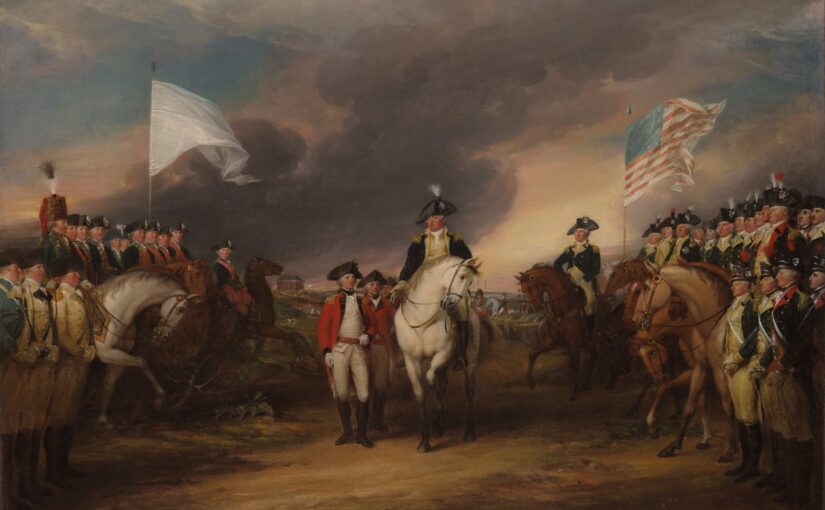
By October, Cornwallis’s position had become hopeless. His troops were surrounded on land, cut off from the sea and suffering from constant bombardment. On October 19th, 1781, Cornwallis surrendered approximately 8,000 soldiers to the American and French forces. The American Revolution was not technically over. British forces still occupied New York, Charleston and Savannah, and fighting continued elsewhere. However, Yorktown destroyed Britain’s political ability to continue the war. Parliament had lost the will to spend enormous sums of money fighting a conflict that increasingly appeared unwinnable.

Peace negotiations eventually produced the Treaty of Paris, signed in 1783. Britain formally recognised the independence of the United States of America and agreed to withdraw its forces from the thirteen former colonies. The new United States received territory extending westward to the Mississippi River and northward to the Great Lakes. The Americans, in return, agreed to recognise debts owed to British creditors and promised that Loyalists would not be persecuted or have their property unlawfully confiscated. Britain also retained control of Canada, while Spain recovered Florida from Britain. The treaty formally ended the American Revolutionary War.
For Britain, the result was humiliating. The world’s most powerful empire had been unable to defeat a rebellion in thirteen of its own colonies. Yet Britain itself did not collapse. It remained a major global power and soon began expanding its influence elsewhere. For the United States, however, victory created an entirely new problem. The Americans had won independence. They now had to decide what to do with it.