The American victory at Trenton and Princeton had prevented the Continental Army from collapsing, but Britain still possessed enormous military advantages. The British army controlled New York, had captured Newport in Rhode Island and was preparing to crush the rebellion in the southern colonies. Washington’s army therefore spent much of the winter of 1777 in Morristown, New Jersey, attempting to recover from the previous year’s disastrous campaign.
The British attempted to regain the initiative in New Jersey, but Washington’s army proved much harder to destroy than expected. British forces were repeatedly harassed by American troops and militia, while Washington avoided committing his entire army to a battle that could result in its destruction. By the spring, the British had largely withdrawn from southern New Jersey and concentrated their forces elsewhere.
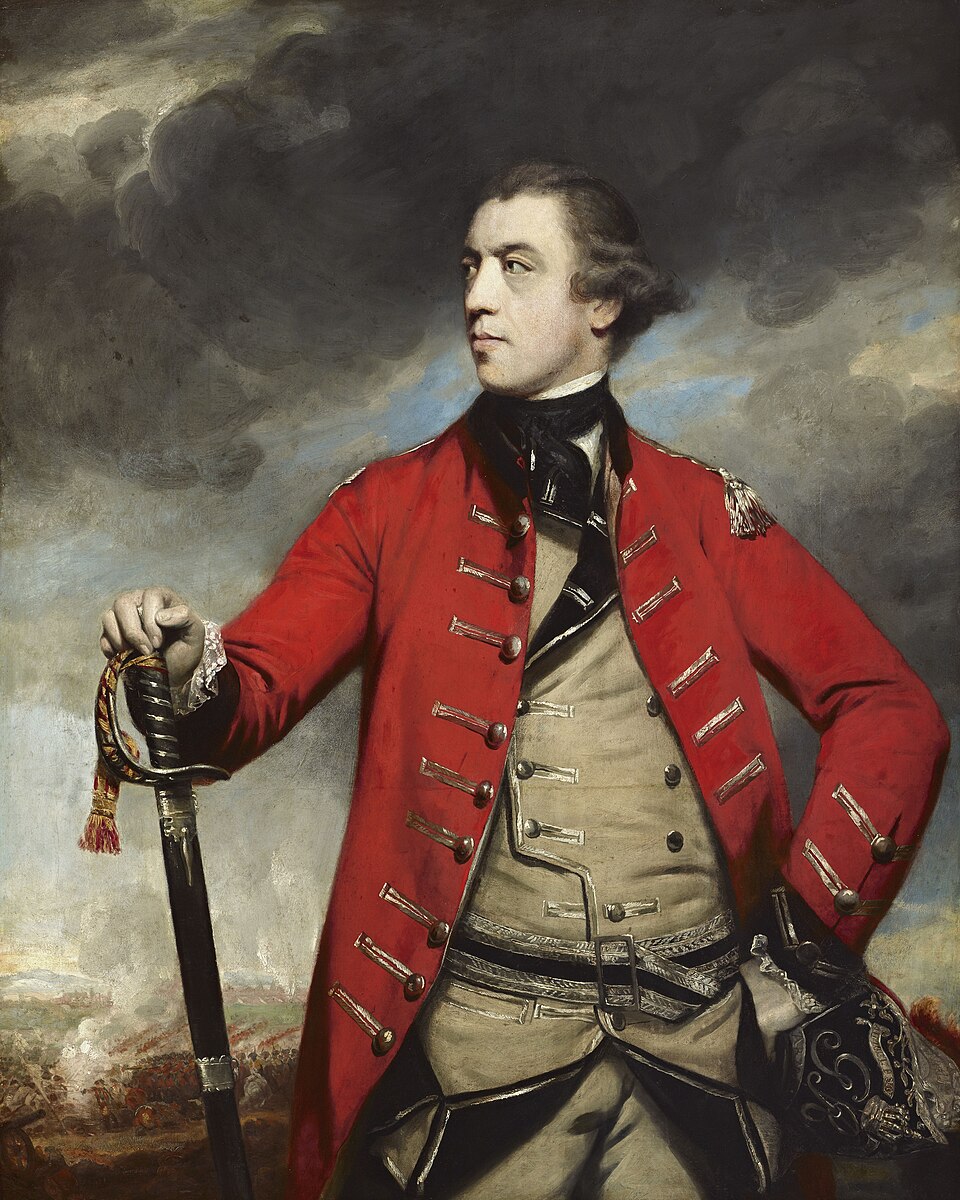
Britain’s attention now turned towards a potentially decisive strategy: separating New England from the rest of the American colonies. The Hudson River provided a natural route for doing so. If British forces could advance south from Canada while another army moved north from New York, they could meet somewhere along the Hudson Valley and effectively cut the rebellion in half. The northern part of this operation was entrusted to General John Burgoyne. His army advanced south from Canada in the summer of 1777, capturing Fort Ticonderoga before continuing towards the Hudson Valley. Meanwhile, General William Howe was supposed to move north from New York and meet Burgoyne.
Instead, Howe made a crucial decision that would change the course of the war. Rather than marching north, he decided to attack Philadelphia, the political capital of the revolution. After defeating Washington at the Battle of Brandywine, British forces occupied Philadelphia in September 1777, forcing the Continental Congress to flee to York, Pennsylvania. Militarily, Howe had achieved an impressive victory. Politically, however, Philadelphia was less important than the British expected. Congress simply relocated, while Washington’s army remained in the field. More importantly, Howe’s decision meant that Burgoyne was now advancing through hostile territory without the support he had been promised.
Burgoyne’s army increasingly struggled with American resistance and a lack of supplies. American militia flooded into the region, while General Horatio Gates assembled a growing Continental force to block the British advance. The resulting confrontation centred on Saratoga, New York. Benedict Arnold once again played a crucial role. Arnold had become increasingly frustrated with Congress and his fellow officers, believing that his contributions were being overlooked while other generals received promotions and credit. At Saratoga, he clashed with Gates over how the American army should respond to the British advance.

Gates preferred to maintain a defensive position and allow the British to attack the American fortifications. Arnold believed the Americans should take the initiative and strike Burgoyne before he could reorganise. Although Gates opposed an aggressive attack, Arnold eventually led troops into battle during the fighting at Bemis Heights. The American assault inflicted heavy casualties on Burgoyne’s army, and Arnold himself was seriously wounded after leading a charge against the British position. The Americans won the Battle of Saratoga on October 17th, 1777. Burgoyne was surrounded, cut off from reinforcements and supplies, and ultimately forced to surrender his entire army. The victory was a turning point. For the British, Saratoga demonstrated that the rebellion could not simply be crushed by military force. For the Americans, it provided desperately needed evidence that independence was achievable. But its greatest consequences were diplomatic.
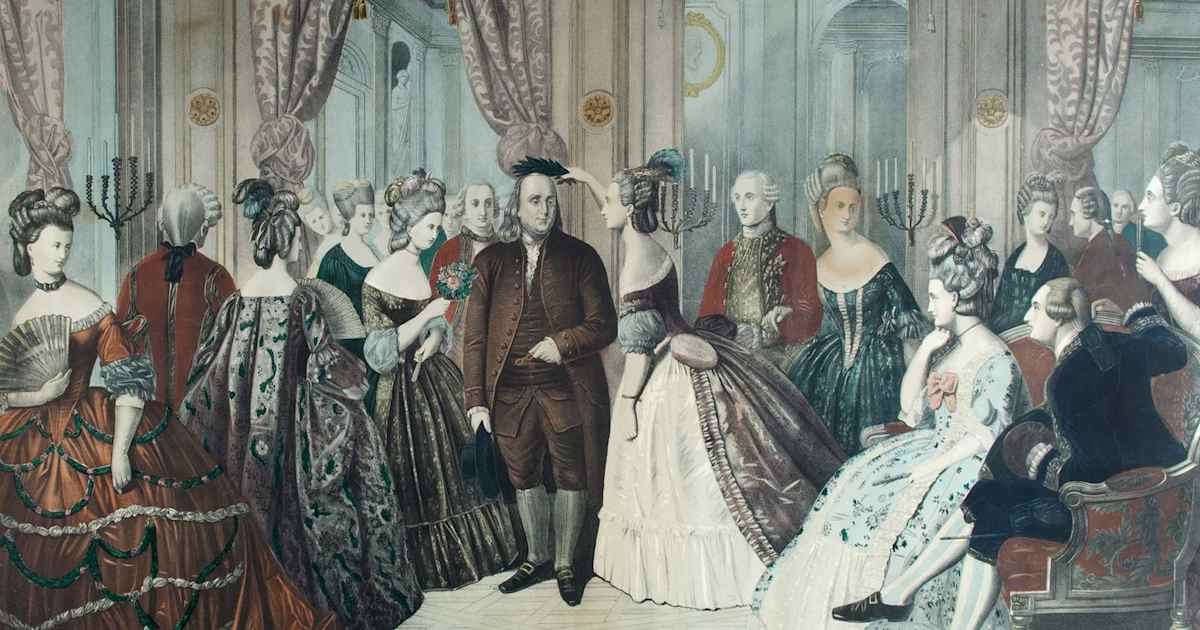
Benjamin Franklin had been sent to France to persuade King Louis XVI’s government to support the American cause. France had several reasons to oppose Britain. The two countries had been bitter rivals for generations, and France had lost much of its North American empire to Britain during the Seven Years’ War. Supporting the Americans offered France an opportunity to weaken its greatest rival and potentially recover some of the influence it had lost. Franklin proved to be an exceptionally effective diplomat. He cultivated influential figures at the French court and presented the American Revolution as a legitimate struggle against British tyranny. His personal popularity in Paris also helped him build support for the American cause. He became something of a celebrity in French society, although his diplomatic activities were considerably more important to the revolution than his famously active social and romantic life.
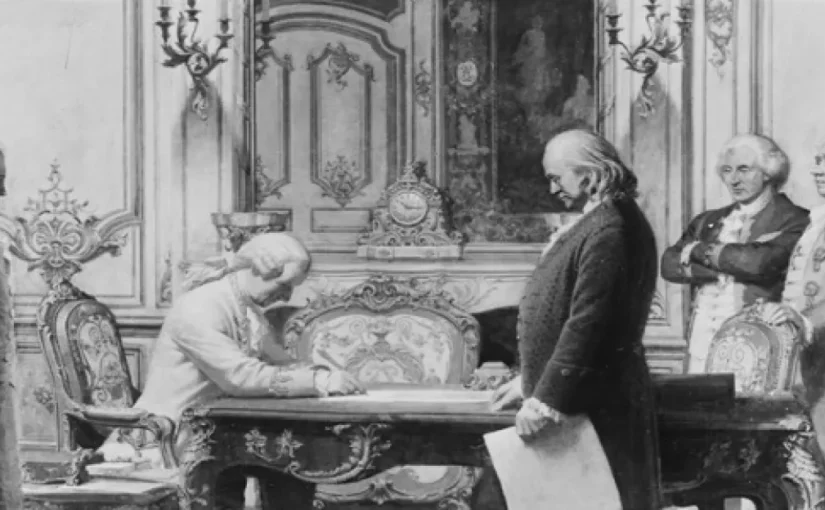
The French government had already been secretly supplying the Americans with weapons, ammunition and other military supplies. However, openly entering the war against Britain was a much more dangerous decision. Saratoga changed the calculation. The American victory demonstrated that the Continental Army could defeat a major British force. France now had reason to believe that the United States might actually survive. In February 1778, France formally recognised American independence and signed the Treaty of Amity and Commerce and the Treaty of Alliance with the United States. The consequences were enormous.
Britain was no longer fighting a rebellion confined to its thirteen colonies. It was now fighting France as well, and eventually Spain and the Dutch Republic would also become involved in the wider conflict. The British were forced to divert troops, ships and resources away from North America to defend their possessions and interests around the world. Burgoyne’s surrender therefore achieved something that Washington had been unable to accomplish through battlefield victories alone: it transformed the American Revolution into an international war. The British abandoned Philadelphia in the summer of 1778 as the new French threat forced them to concentrate their forces around New York. Washington followed them across New Jersey, eventually fighting the British at the Battle of Monmouth. The battle was largely inconclusive, but the Continental Army demonstrated how much it had improved since the disasters of 1776.
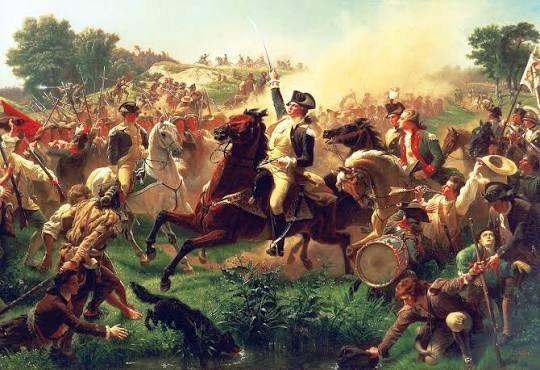
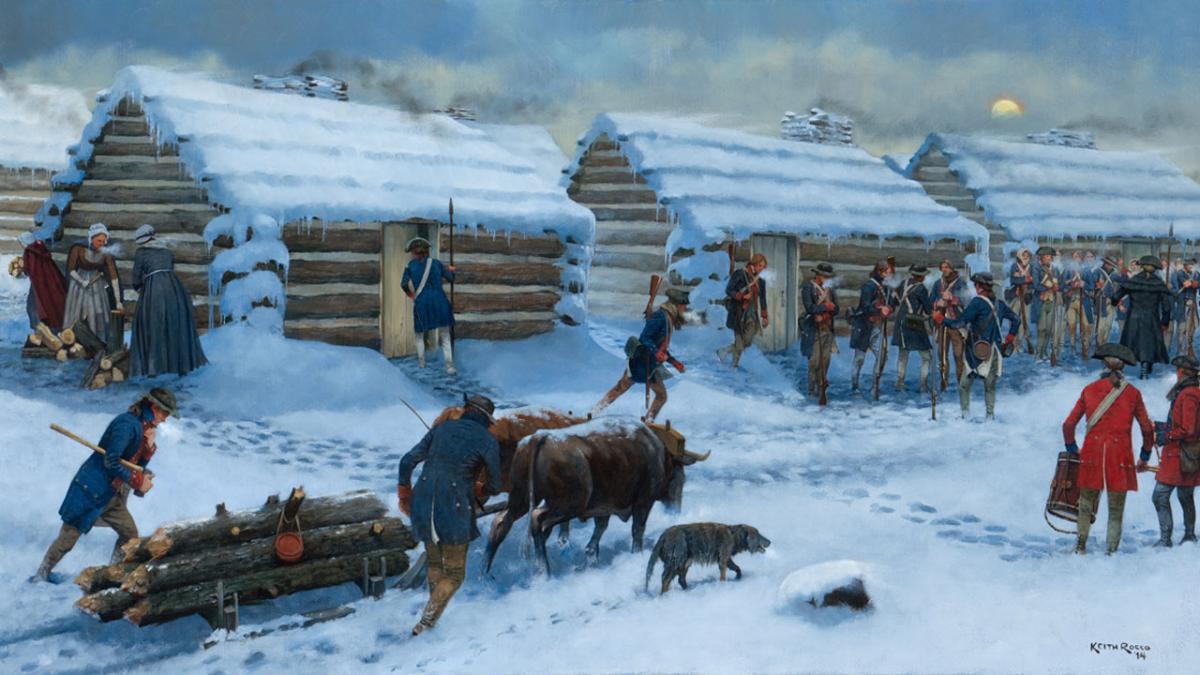
Much of that improvement had taken place during the winter at Valley Forge. Washington’s army endured freezing temperatures, hunger and disease, but it also received an extraordinary contribution from a Prussian military officer, Friedrich Wilhelm von Steuben. Arriving at Valley Forge in 1778, Steuben introduced a systematic programme of training, teaching soldiers how to march, manoeuvre, maintain formations and handle their weapons effectively. He imposed strict discipline and helped turn the Continental Army from a collection of inexperienced militia and volunteers into a more professional fighting force.
By the time spring arrived, Washington’s army was considerably better trained and disciplined than the force that had been driven out of New York two years earlier. The war had entered a new phase. Washington had survived the disasters of 1776, Saratoga had brought France into the conflict, and the Continental Army was becoming a genuine professional fighting force. Britain still controlled major cities and possessed enormous resources, but the rebellion was no longer an isolated colonial uprising. It had become a global war – and Britain’s chances of crushing American independence were rapidly disappearing.