By 1779, Benedict Arnold had become one of the most controversial figures in the American Revolution. He had once been celebrated as one of the Continental Army’s most courageous commanders, but a combination of personal resentment, financial difficulties and political disputes had gradually turned him against the revolutionary cause. His eventual betrayal would make his name synonymous with treason in American history. Arnold’s frustration had been building for several years. Despite playing an important role in the American victories at Saratoga, he believed that Congress had repeatedly denied him the recognition he deserved. Other officers had been promoted above him, while Arnold was also accused of using his position to make money from military contracts and supplies. He was eventually court-martialled over allegations of corruption and misuse of military authority.
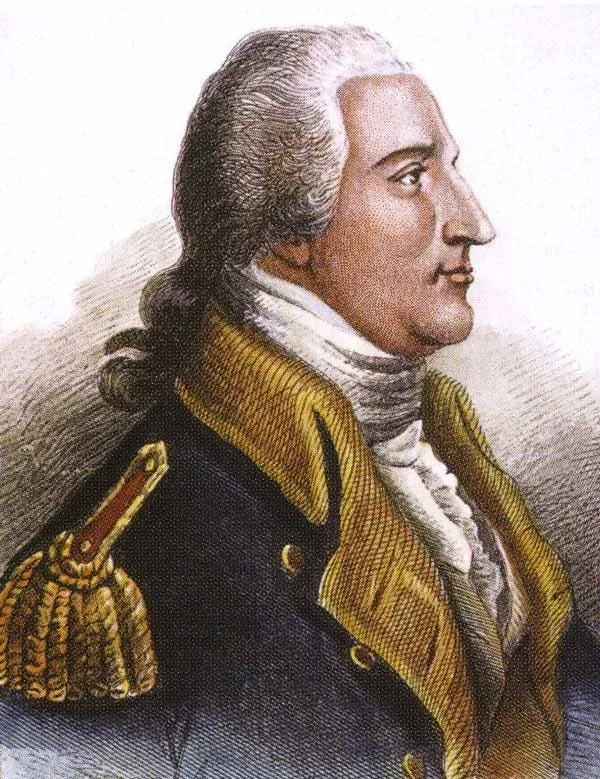
The court-martial largely cleared him of the most serious accusations, but Washington reprimanded him for using his position for personal benefit. Arnold felt humiliated. He had sacrificed a great deal for the Revolution, including suffering a serious leg wound at Saratoga, yet increasingly believed that Congress and his fellow revolutionaries were treating him with contempt.
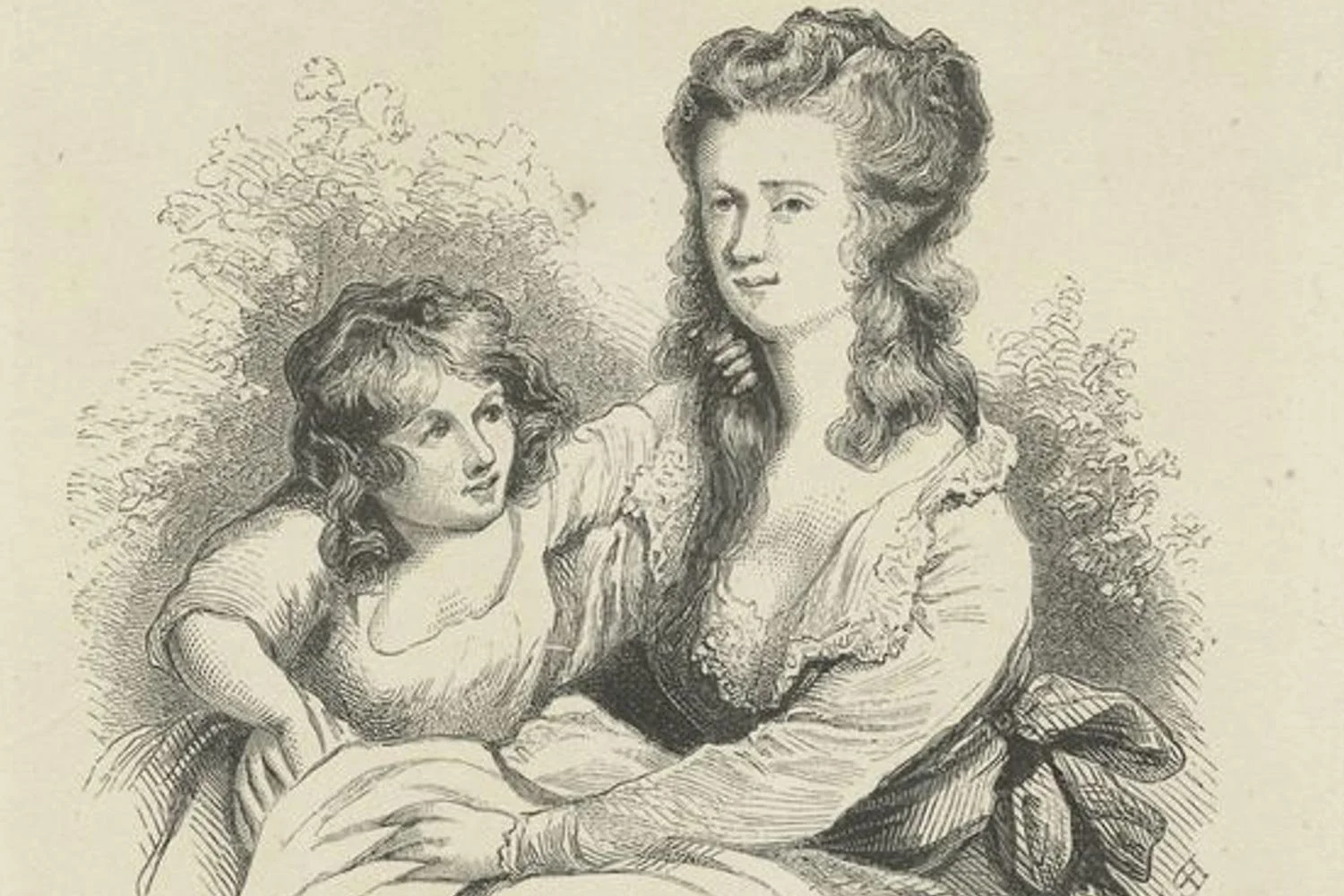
His personal life also began to change. In 1778, American forces retook Philadelphia after the British evacuated the city. Arnold was appointed military commander of Philadelphia, where he began associating with the city’s wealthy social elite. He moved into the former home of the Penn family, which had been used by British commander William Howe during the occupation, and began living an expensive lifestyle that was far beyond what his military income could comfortably support. Arnold also became romantically involved with Peggy Shippen, a young woman from a wealthy Philadelphia family. The Shippen family had maintained connections with British officers during the occupation, and Peggy herself had previously been associated with British Major John André. Arnold and Peggy married in April 1779.
Arnold’s increasingly extravagant lifestyle attracted suspicion. Pennsylvania authorities accused him of corruption and misuse of his military position, and he was eventually subjected to a court-martial. Although he was convicted on several relatively minor charges, Washington gave him only a mild reprimand. The decision reflected Washington’s continued belief that Arnold was fundamentally a brave and valuable soldier. Washington famously described him as a “fighting general” and had previously trusted him with some of the Continental Army’s most important operations.
But Arnold had reached a breaking point. Rather than simply resigning from the Continental Army, he began secretly communicating with the British. Peggy Shippen played an important role in facilitating communications between Arnold and British intelligence. Arnold eventually established contact with Major John André, who had become the British chief of intelligence in New York. Arnold offered the British something potentially devastating: West Point.
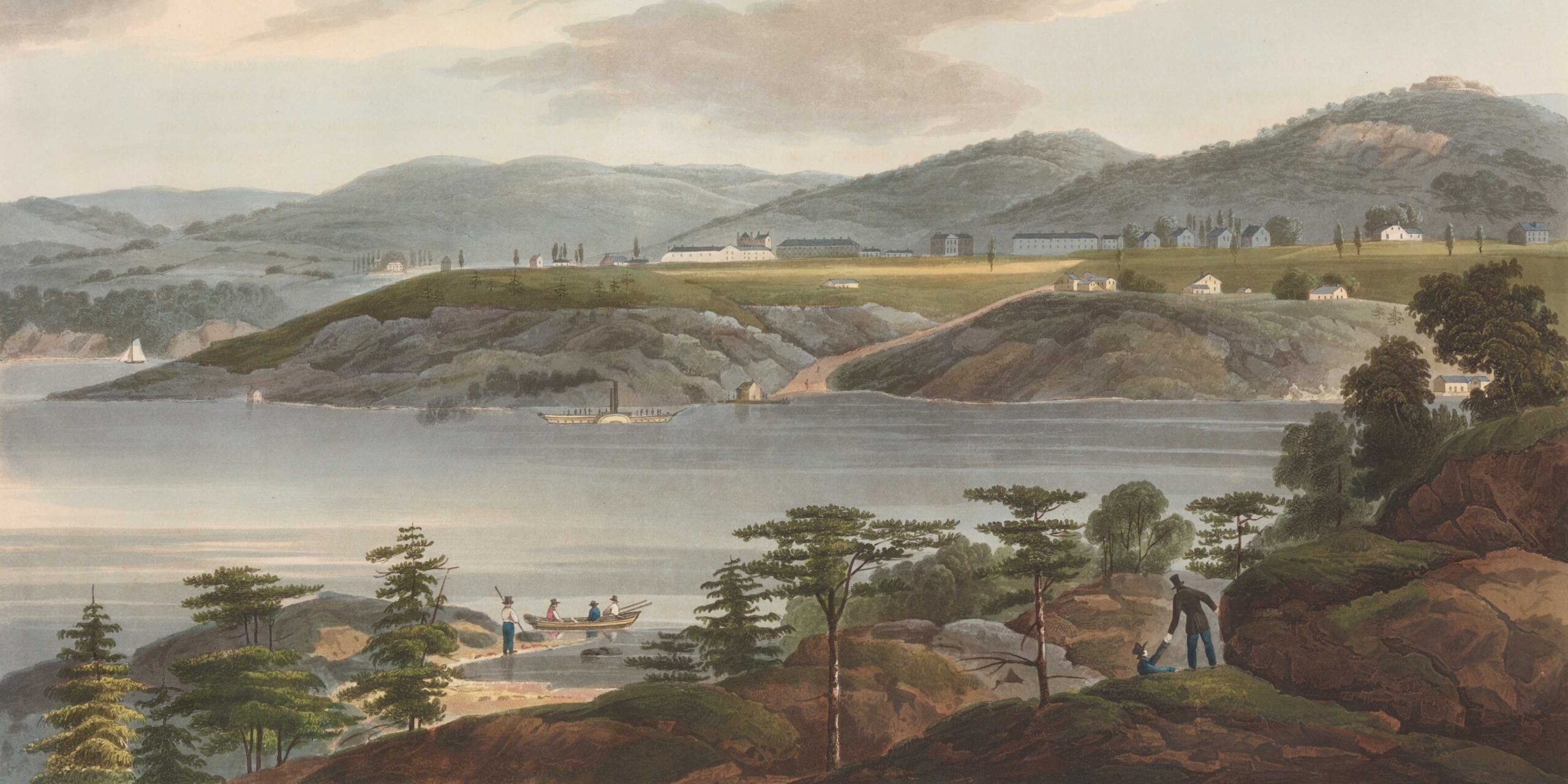
West Point was one of the most strategically important American positions on the Hudson River. Its location allowed the Continental Army to control a crucial section of the river and prevent Britain from separating New England from the rest of the United States. If the British could capture it, they could potentially divide the American forces and seriously damage the revolutionary war effort. Arnold therefore requested command of West Point. Washington agreed.
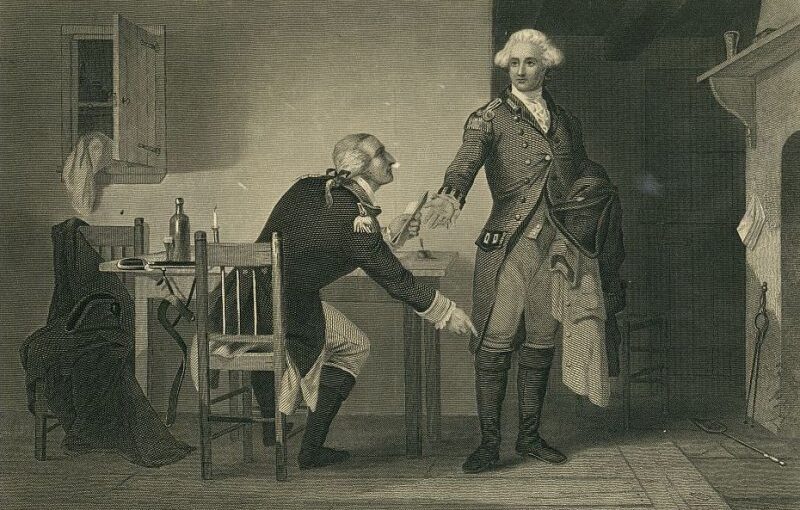
In August 1780, Arnold took command of the fortress and its surrounding defences. He then secretly provided André with information about the fort’s weaknesses, troop numbers, artillery positions and supplies. In exchange, Arnold expected a large payment and a senior position in the British Army. The plan began to unravel in September. André travelled into American territory under the alias “John Anderson” to meet Arnold and collect the military documents. He was attempting to return to British lines when three American militiamen stopped him near Tarrytown, New York. They searched him and discovered the documents hidden inside his clothing. André was immediately arrested.
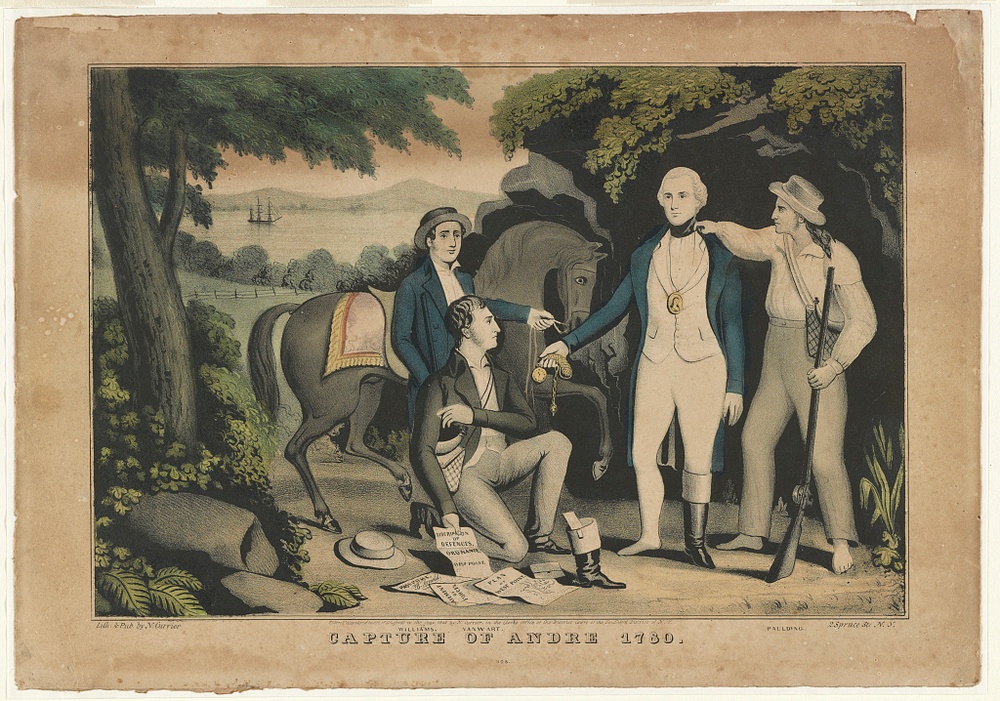
Arnold quickly realised that his conspiracy had been exposed. He escaped down the Hudson River aboard the British ship Vulture and reached British-held New York. Washington arrived at West Point shortly afterwards and discovered the extent of Arnold’s betrayal. André was tried as a spy and sentenced to death. Washington privately admired André’s conduct and attempted to arrange a prisoner exchange, but the British refused. André was hanged on October 2nd, 1780. Arnold, meanwhile, received what he had wanted. The British commissioned him as a brigadier general and paid him for the information he had provided. He subsequently commanded British forces against the Americans, including campaigns in Virginia and Connecticut. He led raids against American towns and military positions, fighting against the same revolutionaries alongside whom he had once served. His military career on the British side, however, never reached the heights he had expected. He was distrusted by many British officers, while his former comrades regarded him as one of the Revolution’s greatest traitors.
Benedict Arnold’s story is unusual because his reputation did not begin with betrayal. Before defecting, he had been one of the Continental Army’s most aggressive and capable commanders. He played important roles in the capture of Fort Ticonderoga, the invasion of Canada and, most famously, the Battles of Saratoga. His leadership at Saratoga helped produce one of the most important American victories of the war and contributed directly to France entering the conflict. His betrayal therefore cannot simply be explained by a lifelong commitment to the British cause. Arnold was a revolutionary who became deeply resentful of the political establishment he believed had mistreated him. His grievances were real, but his response to them ultimately transformed him from an American hero into a symbol of treason.
/https://tf-cmsv2-smithsonianmag-media.s3.amazonaws.com/filer/52/64/52646131-a83b-492c-83a7-e98d20e2f28e/may2016_c01_colbenedictphilbrick-wr-v4.jpg)
The irony is that Arnold’s name became more famous because of his betrayal than because of his victories. His earlier achievements have often been overshadowed by the simple phrase that has followed him for centuries: “Benedict Arnold” became synonymous with traitor. Yet there is another irony. Arnold himself did not necessarily view his actions as betraying a country that he believed already existed. The United States was still fighting for independence, and Arnold had become convinced that the revolutionary leadership had betrayed the principles for which he had originally fought. His decision was therefore partly personal, partly political and partly financial.
Whatever his motivations, the consequences were undeniable. The man who had once helped save the American Revolution eventually attempted to undermine it from within. And while the Revolution ultimately succeeded without him, Benedict Arnold would spend the rest of his life knowing that the greatest achievement of his military career was the same war he ultimately tried to betray.