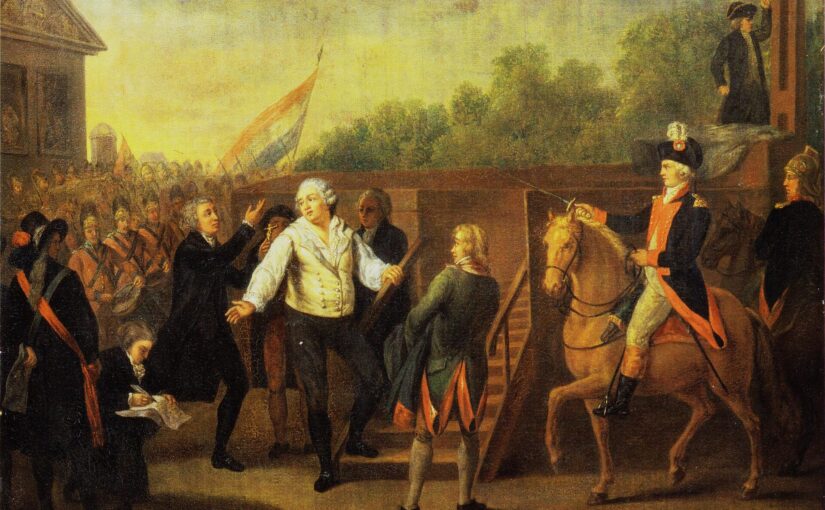
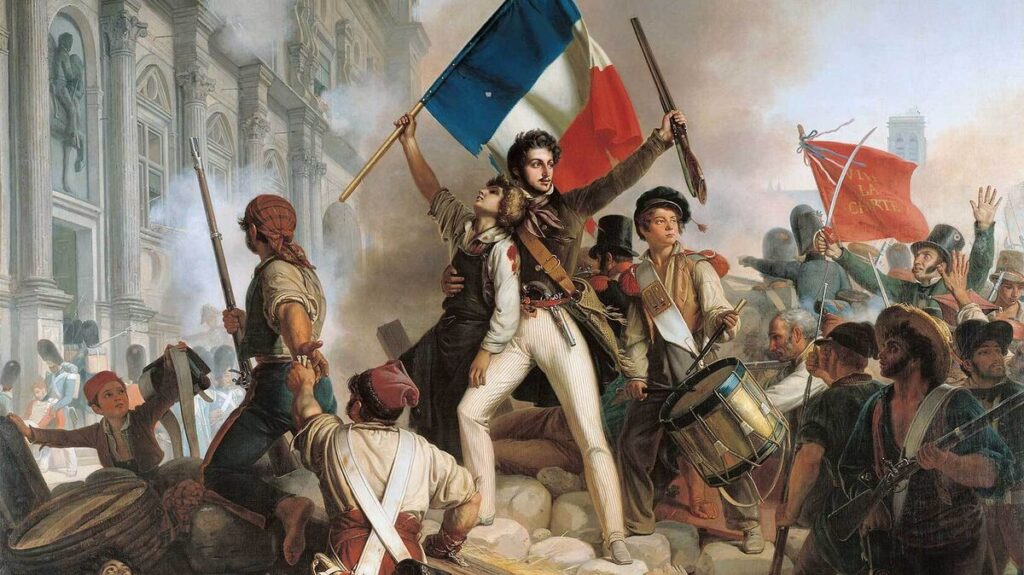
By 1793, the French Revolution was no longer simply a struggle between the supporters of the old monarchy and those who wanted a republic. The Revolution was beginning to consume itself. France was at war with much of Europe. The monarchy had been abolished and Louis XVI executed. The economy remained unstable, food prices were high and political factions were increasingly turning against one another. In the countryside, resistance to the Revolution was growing, while in Paris the radical sans-culottes demanded increasingly extreme measures against anyone suspected of opposing the Republic. One of the loudest voices demanding that the Revolution go further was Jean-Paul Marat. And before the year was over, he would be dead.
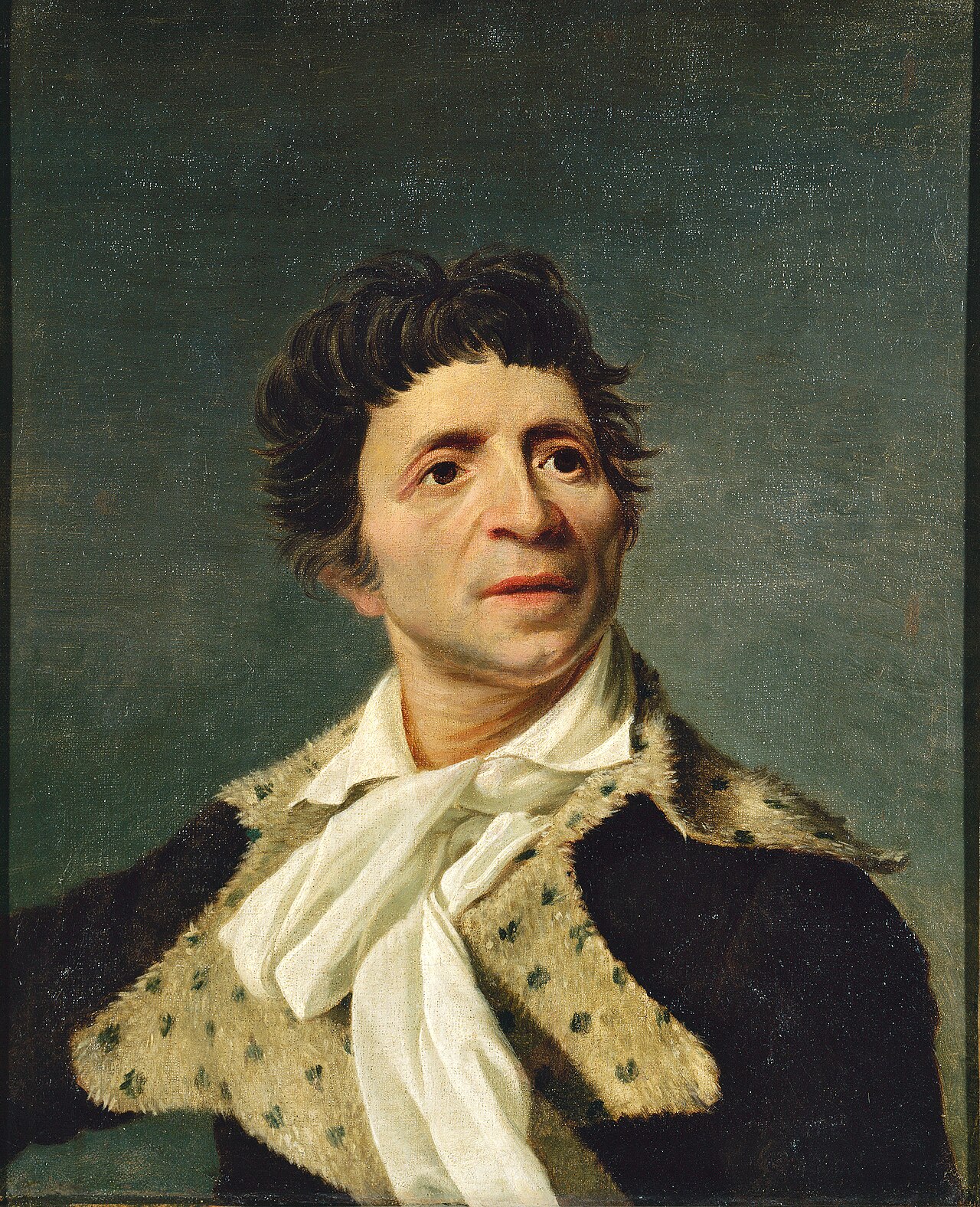
The early months of the Republic had initially brought military success. French armies had defeated the Prussians at the Battle of Valmy in September 1792 and pushed the Coalition forces out of much of French territory. Revolutionary armies subsequently occupied Belgium and other territories. But these victories alarmed Europe’s monarchies.
Britain, Spain, the Dutch Republic and other European powers joined Austria and Prussia in the war against revolutionary France. France was increasingly surrounded by enemies, while the execution of Louis XVI in January 1793 convinced many European governments that the Revolution could not simply be contained. By the spring, the military situation had deteriorated badly. French forces suffered defeats, including the disastrous campaign of General Dumouriez in the Austrian Netherlands. Dumouriez eventually attempted to negotiate with the Austrians and considered using his army to restore the monarchy. His defection reinforced the revolutionary belief that traitors were everywhere.
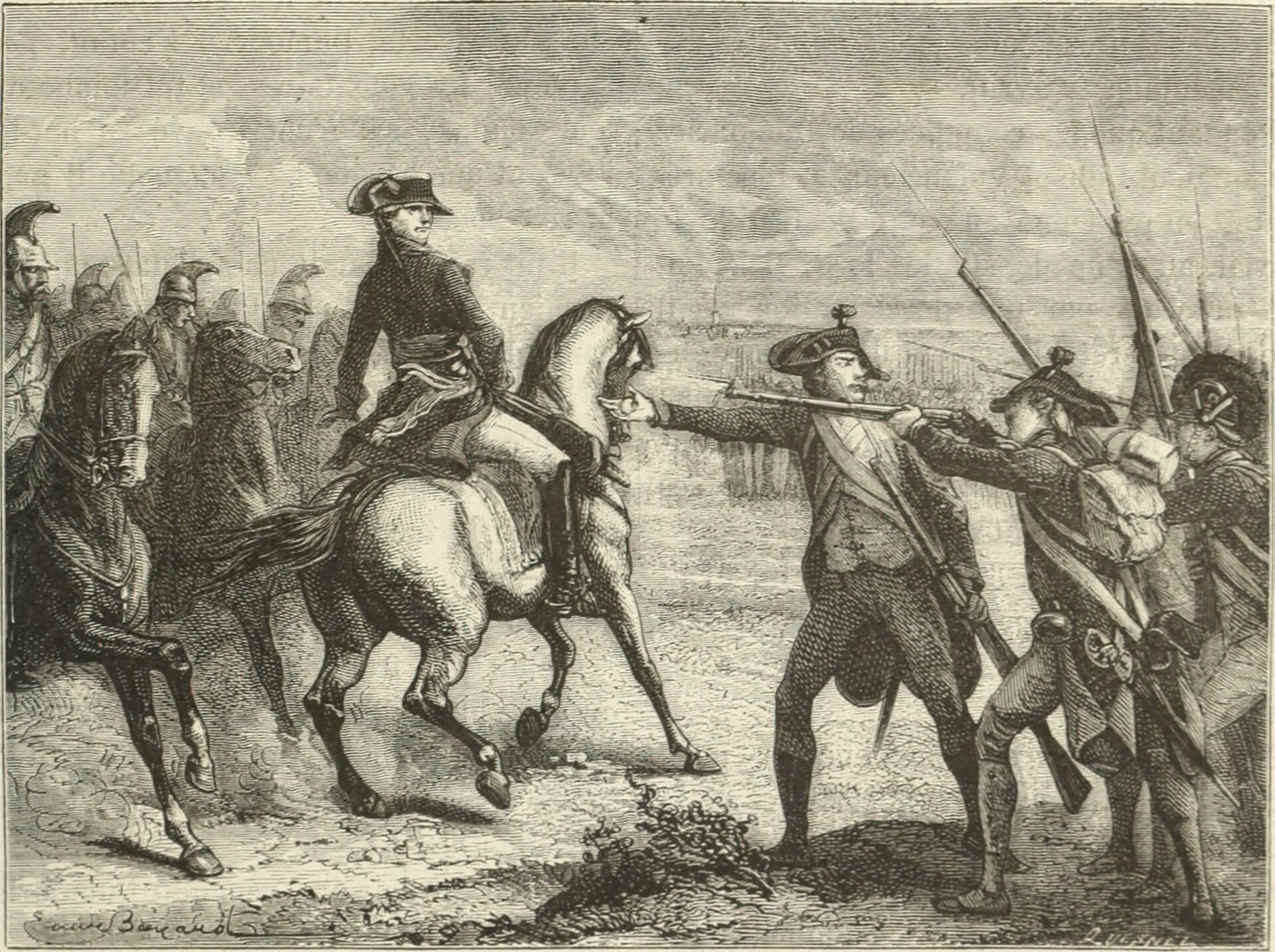
The government responded with increasingly radical measures. In February 1793, the Convention introduced a levy of 300,000 men. Later that year, as the military crisis became more severe, the government introduced the levée en masse, effectively placing the resources of the nation at the disposal of the war effort. But conscription created another problem. The Revolution was increasingly trying to impose itself upon parts of France that had never embraced it with the same enthusiasm as Paris.
In western France, particularly in the Vendée, resistance to the Republic exploded. The countryside was deeply Catholic and had strong connections to the traditional social order. Revolutionary attacks on the privileges of the Church had already caused resentment. The Civil Constitution of the Clergy had divided communities between priests who accepted the Revolution and those who refused to swear the required oath. Now young men were being called upon to fight for the Republic. In March 1793, resistance to the conscription programme helped trigger a massive uprising.
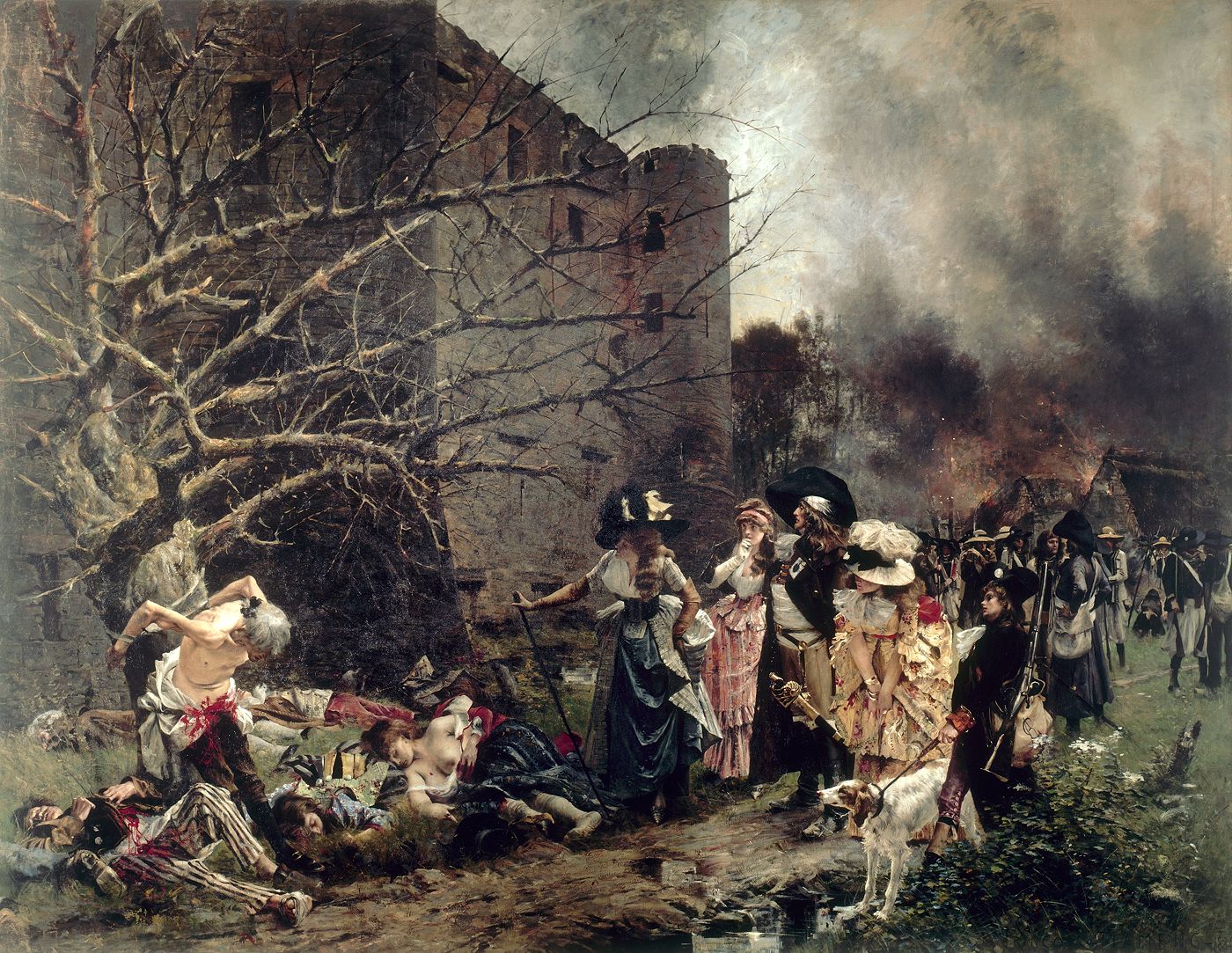
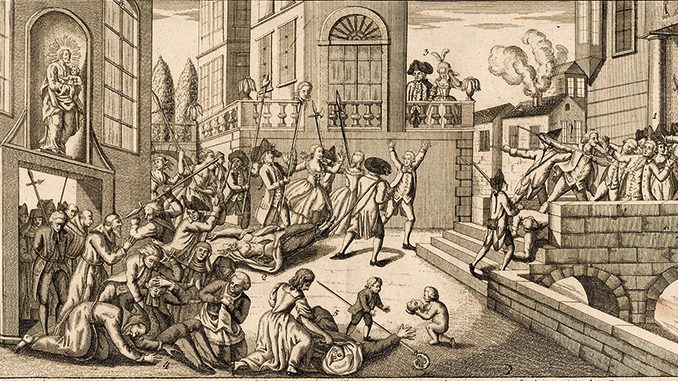
The resulting War in the Vendée became one of the bloodiest conflicts of the Revolution. Royalists, Catholic rebels and republican forces fought one another in a vicious civil war. The revolutionary government responded with extraordinary brutality. In Nantes, the representative-on-mission Jean-Baptiste Carrier became notorious for the so-called Noyades. Prisoners, including priests and suspected royalists, were loaded onto boats, taken onto the Loire and drowned by deliberately sinking the vessels. Thousands died in the repression carried out under Carrier’s authority. The violence demonstrated the increasingly dangerous logic of revolutionary government. France was fighting foreign armies at its borders while simultaneously fighting a civil war within its own territory. The Republic was beginning to treat opposition not simply as political disagreement, but as a threat to national survival.
The political struggle in Paris was becoming just as intense. The National Convention was divided principally between the Girondins, who represented a more moderate republican position, and the Montagnards, the radical deputies associated with figures such as Robespierre, Danton and Marat. The Girondins supported the Republic but were increasingly hostile to the radical Parisian popular movement. The Montagnards, meanwhile, depended heavily upon the sans-culottes and argued that the Republic could survive only by destroying its enemies.

Marat was among the most uncompromising voices in this struggle. His newspaper, L’Ami du peuple (The Friend of the People) had made him one of the most recognisable political journalists of the Revolution. He presented himself as the defender of ordinary Parisians against corrupt politicians, aristocrats and moderates. His rhetoric was frequently extreme. Marat repeatedly demanded the removal of political opponents and argued that those he regarded as enemies of the Revolution deserved severe punishment. His influence made him deeply feared by the Girondins.
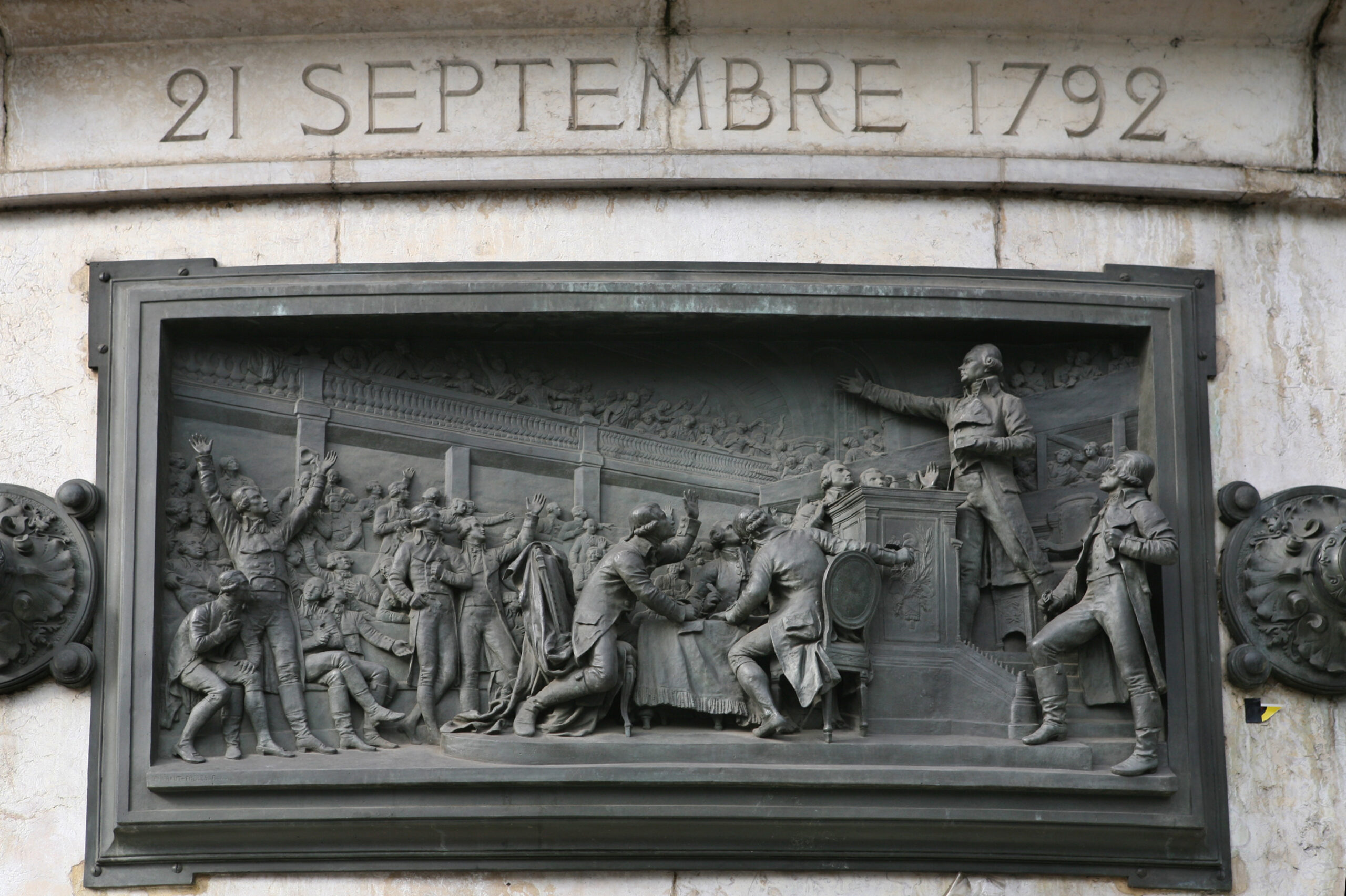
The struggle eventually became physical. On June 2nd 1793, armed sans-culottes surrounded the National Convention. Under pressure from the revolutionary crowd, the Convention ordered the arrest of leading Girondin deputies. The moderates had been defeated. The Montagnards and their allies now dominated the revolutionary government. But rather than ending the political violence, their victory intensified it. The Girondins were now portrayed as enemies of the Republic. And Marat had become one of the most recognisable symbols of the radical movement.
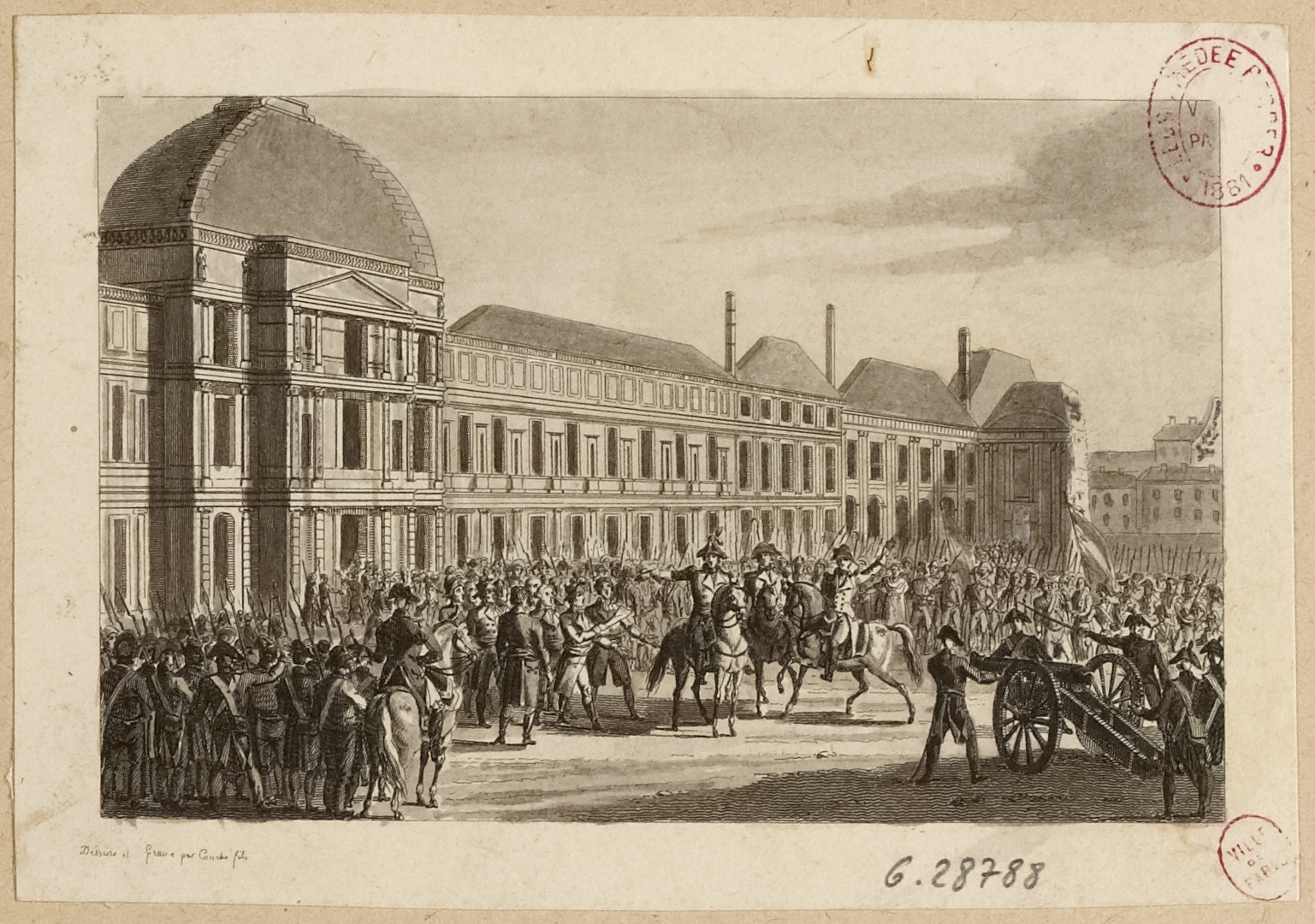
Far from Paris, a young woman was watching these events with horror. Her name was Charlotte Corday. Corday came from Normandy and was associated with a family of minor aristocratic background. She had become sympathetic to the Girondins, whose leaders had fled Paris following their expulsion from the Convention. From her perspective, the Revolution that had once promised liberty had descended into political murder. She became convinced that one man in particular was responsible. Jean-Paul Marat. Corday believed that killing him could stop the violence and perhaps save France from further civil war. Her reasoning was tragically mistaken. But she was determined.
She travelled from Normandy to Paris in July 1793 carrying a knife. Her intention was to assassinate Marat. At first, she intended to kill him publicly, apparently hoping to make the act a dramatic political statement. But circumstances forced her to change her plan. Marat was suffering from a debilitating skin condition that required him to spend considerable amounts of time in a medicinal bath. He continued working from there, using the bath almost as a makeshift office.
Corday managed to gain access to him. She told him that she had information about Girondin conspirators in Normandy. Marat questioned her about their identities. He began writing down their names. Then Corday pulled out a knife. On July 13th 1793, Charlotte Corday stabbed Jean-Paul Marat in the chest while he sat in his bath. The wound was fatal. Marat died almost immediately. Corday did not attempt to escape. She remained at the scene and was arrested by Marat’s associates and guards. Her assassination had achieved exactly the opposite of what she intended. She had wanted to eliminate a man she regarded as responsible for revolutionary violence. Instead, she transformed him into a martyr.
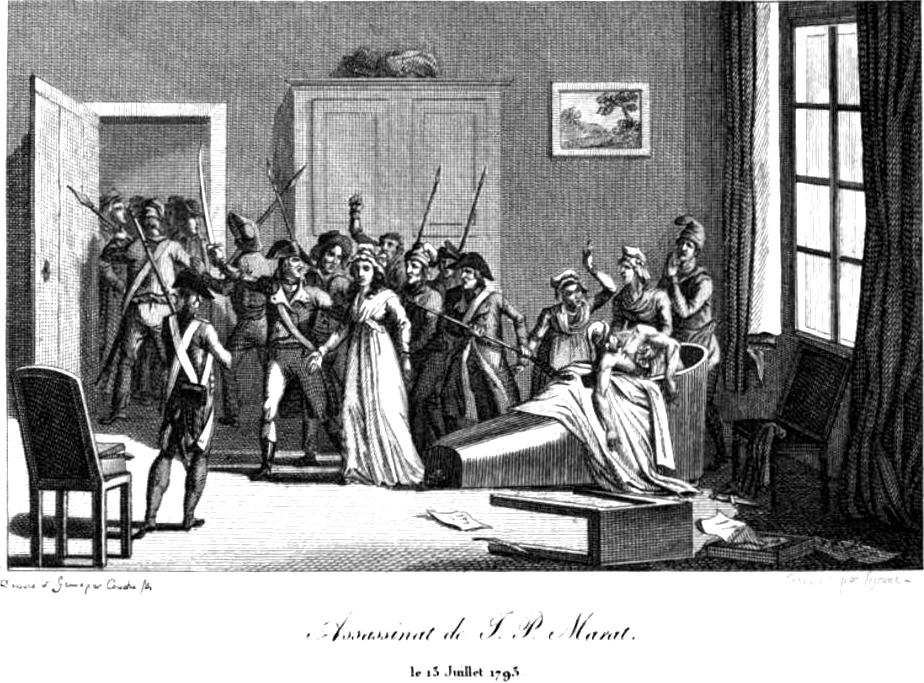
Corday was put on trial and defended her actions openly. She insisted that she had killed Marat to save France from civil war. Her reasoning did not save her. On July 17th 1793, just four days after the assassination, Charlotte Corday was guillotined. She was 24 years old. According to contemporary accounts, her final demeanour was remarkably composed. But while Corday disappeared beneath the guillotine, Marat’s reputation was beginning to grow.
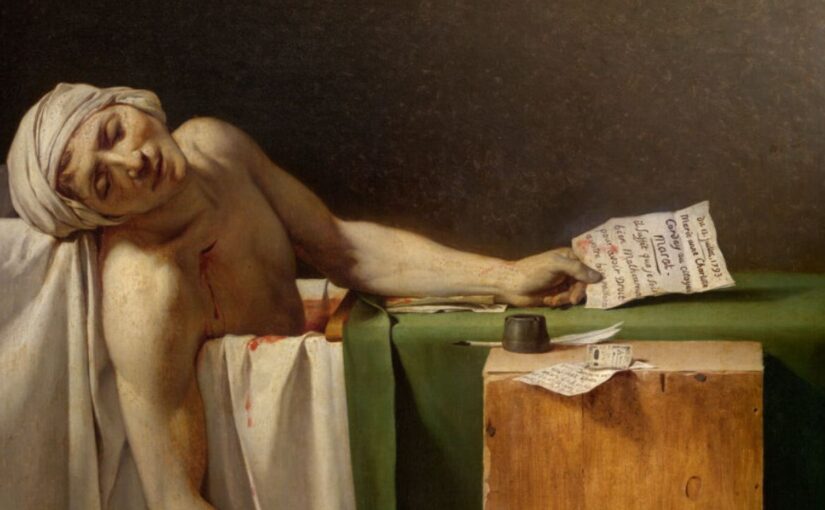
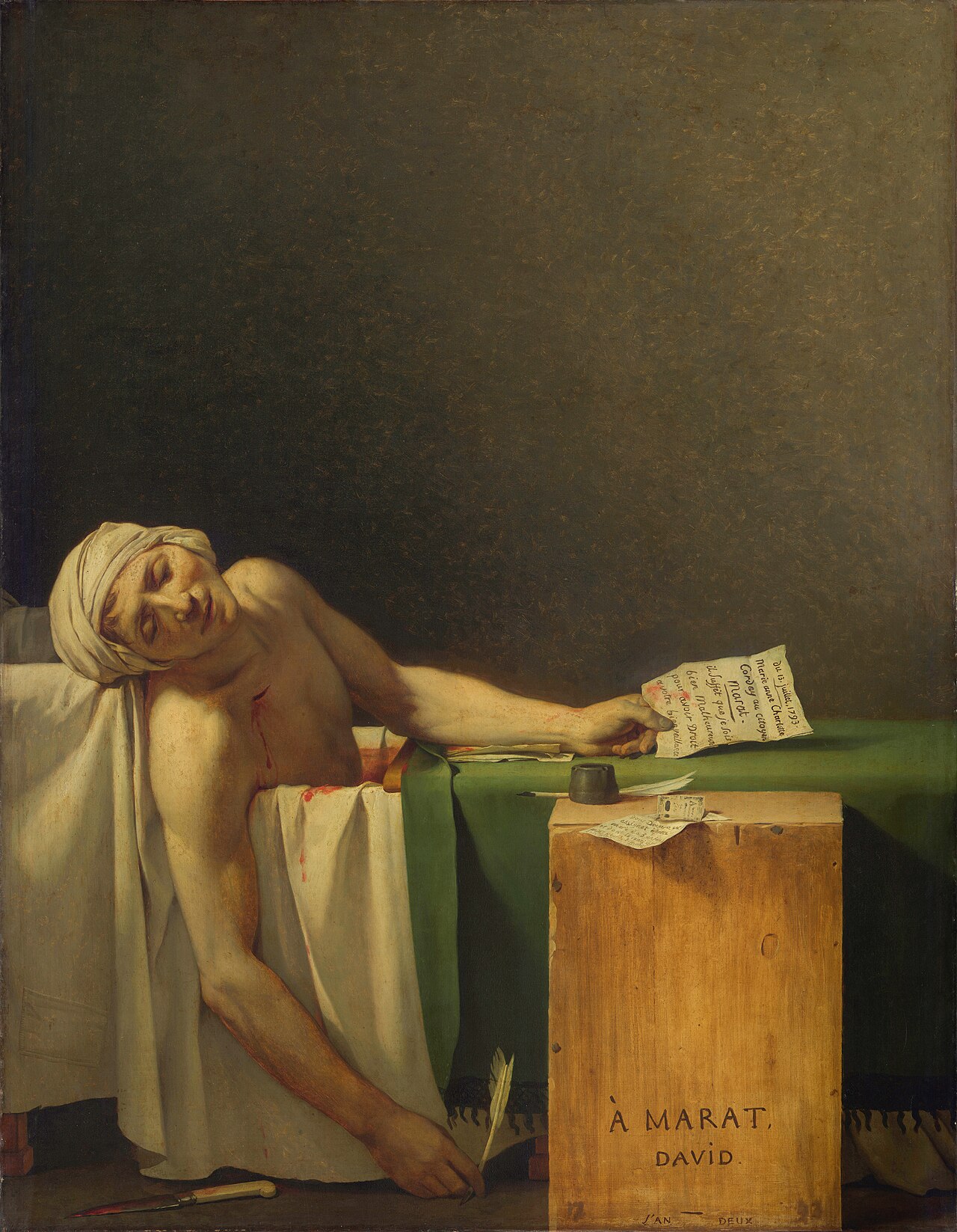
The revolutionary government transformed Marat’s death into a political spectacle. His funeral became a huge public event. His body was displayed, speeches were delivered in his honour and revolutionary leaders presented him as a martyr who had died serving the people. The revolutionary artist Jacques-Louis David was commissioned to paint his death. The result was The Death of Marat. David presented Marat almost as a secular saint. He lies peacefully in his bath, his wounds visible but his expression calm. The painting deliberately echoes traditional Christian imagery of martyrdom. This was not accidental. The Revolution was increasingly creating its own political culture, complete with heroes, martyrs, festivals and symbols. Marat was no longer merely the journalist who had demanded the destruction of the Revolution’s enemies. He had become “the Friend of the People” who had died for France.
His body was eventually transferred to the Panthéon, where he was buried alongside some of the figures whom the Revolution regarded as its greatest heroes. The symbolism went even further. As the revolutionary government pursued its campaign of dechristianisation, traditional Catholic symbols were increasingly removed or replaced with revolutionary imagery. Images and busts of Marat appeared in public spaces, sometimes occupying positions previously associated with saints and religious figures. The Revolution was beginning to create a new civic religion. And Marat became one of its saints.
The assassination of Marat did not stop the Terror. If anything, it strengthened the radical government’s determination to eliminate its enemies. The Committee of Public Safety became increasingly powerful. The Revolutionary Tribunal expanded its activities. The Law of Suspects allowed the revolutionary authorities to arrest people considered enemies of the Republic. Thousands would eventually be executed. The irony of Marat’s assassination was therefore enormous. Charlotte Corday believed that killing one radical would help bring peace to France. Instead, Marat’s death gave the radicals another martyr around whom they could rally. Corday believed that the Revolution had become too violent. Her murder of Marat became another act of revolutionary violence. She wanted to kill the man she believed was responsible for the bloodshed. In doing so, she became part of the bloodshed herself.
The Revolution had reached a point where even murder could be transformed into political propaganda. Marat’s killers portrayed him as a martyr. Marat’s supporters portrayed Corday as a monster. Corday’s supporters portrayed her as a heroine. And somewhere between those competing images was the reality: a revolution increasingly unable to distinguish between political disagreement, treason and violence. Jean-Paul Marat had spent years demanding that the enemies of the Revolution be destroyed. On July 13th 1793, one of those enemies finally destroyed him. And in death, Marat became more powerful than he had ever been in life.



.jpg)


:max_bytes(150000):strip_icc()/name-838ef4c3732b4183bd9bdeec2554c24c.jpg)